
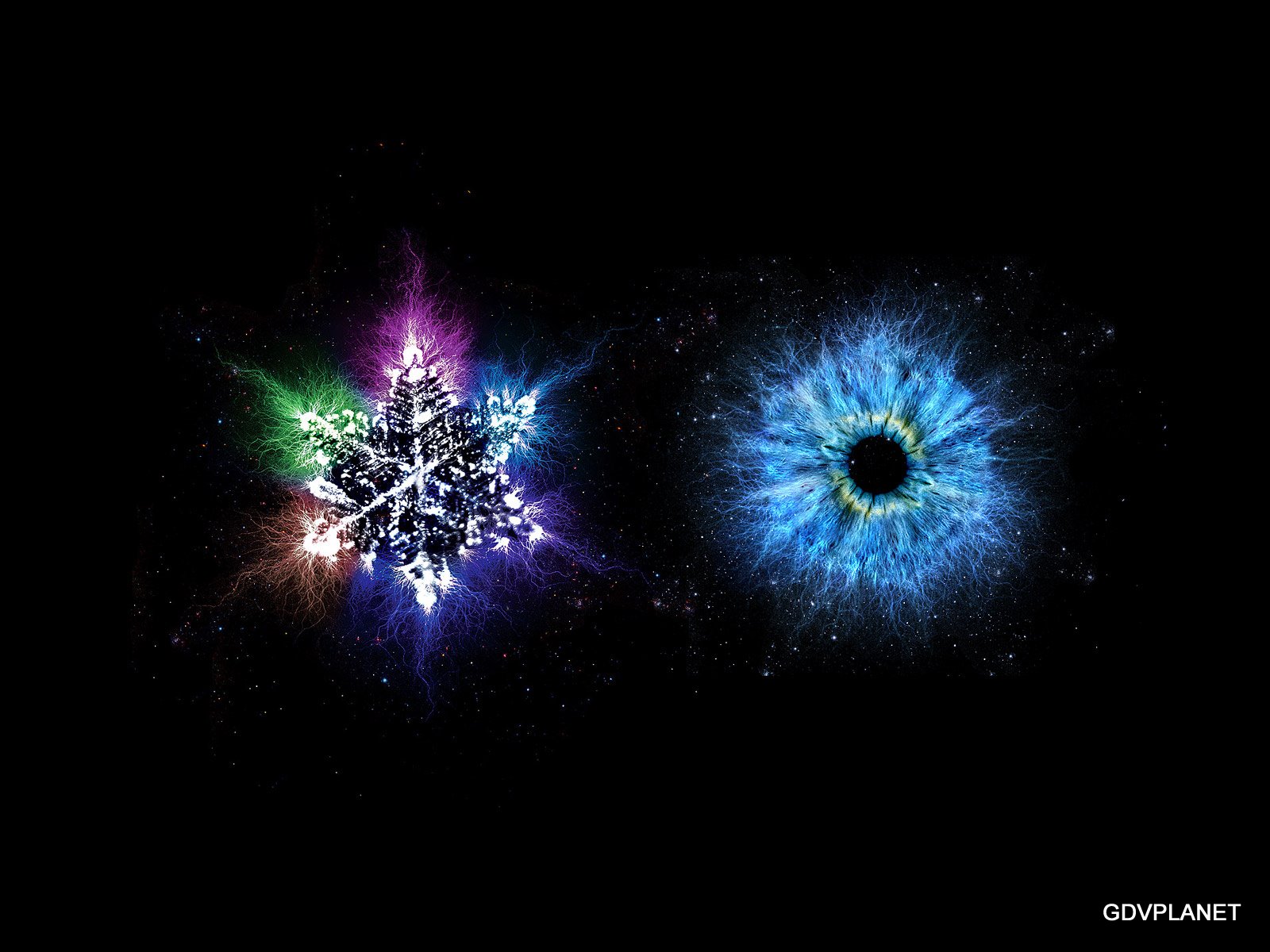
Kirlian Photography
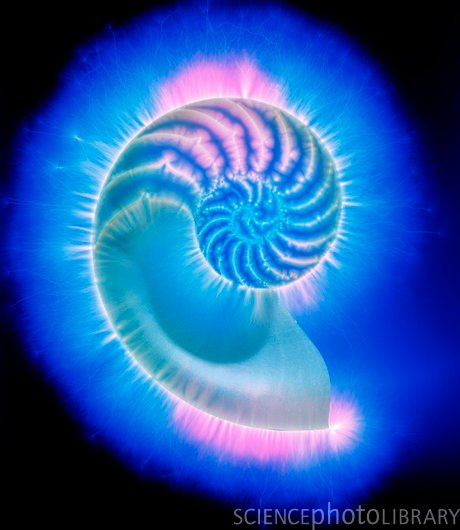
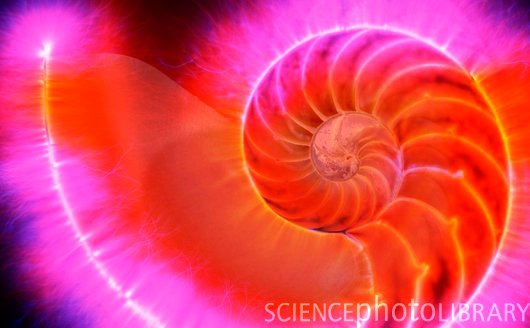
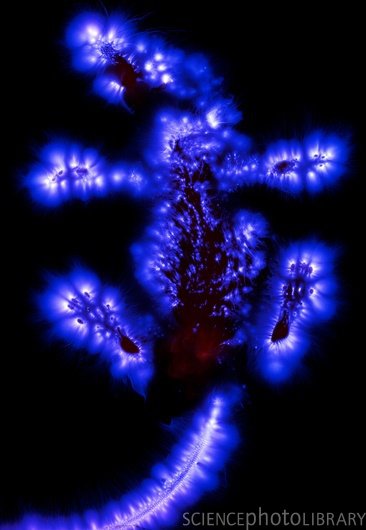
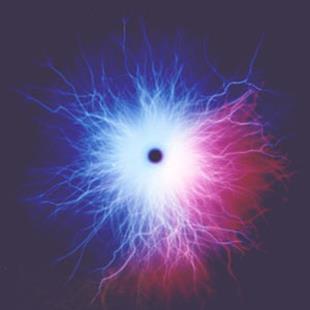
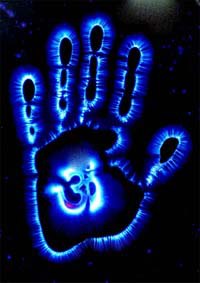
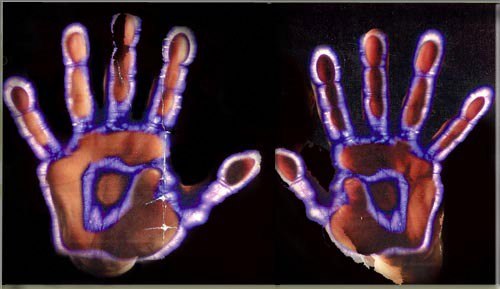
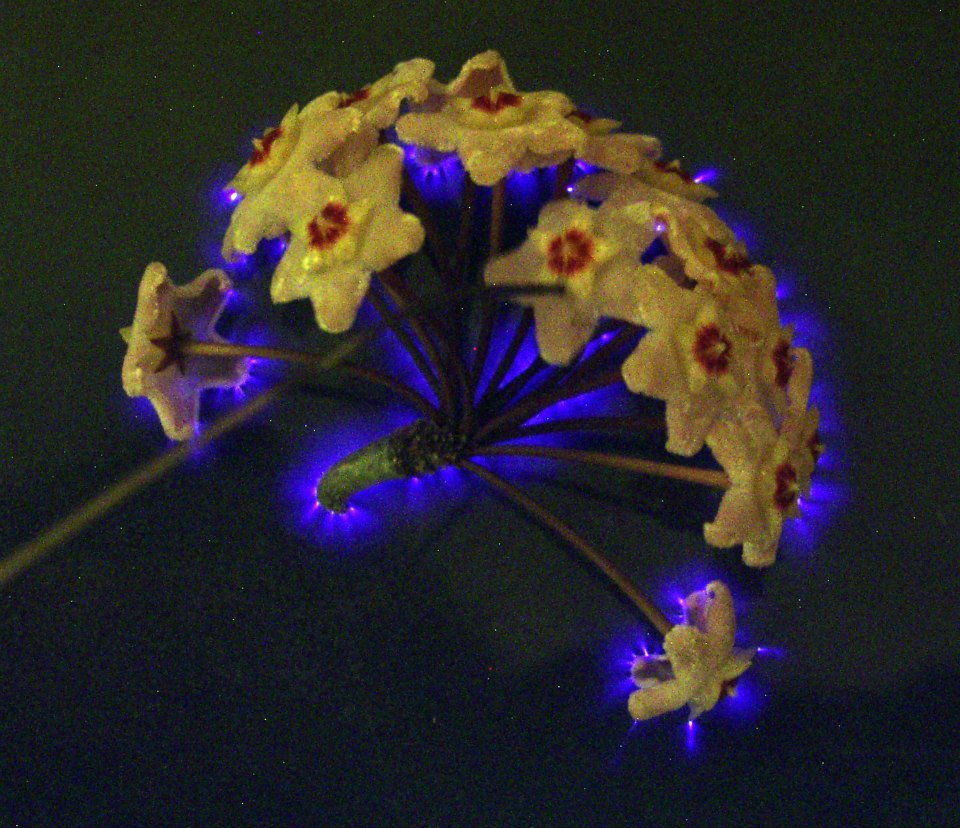
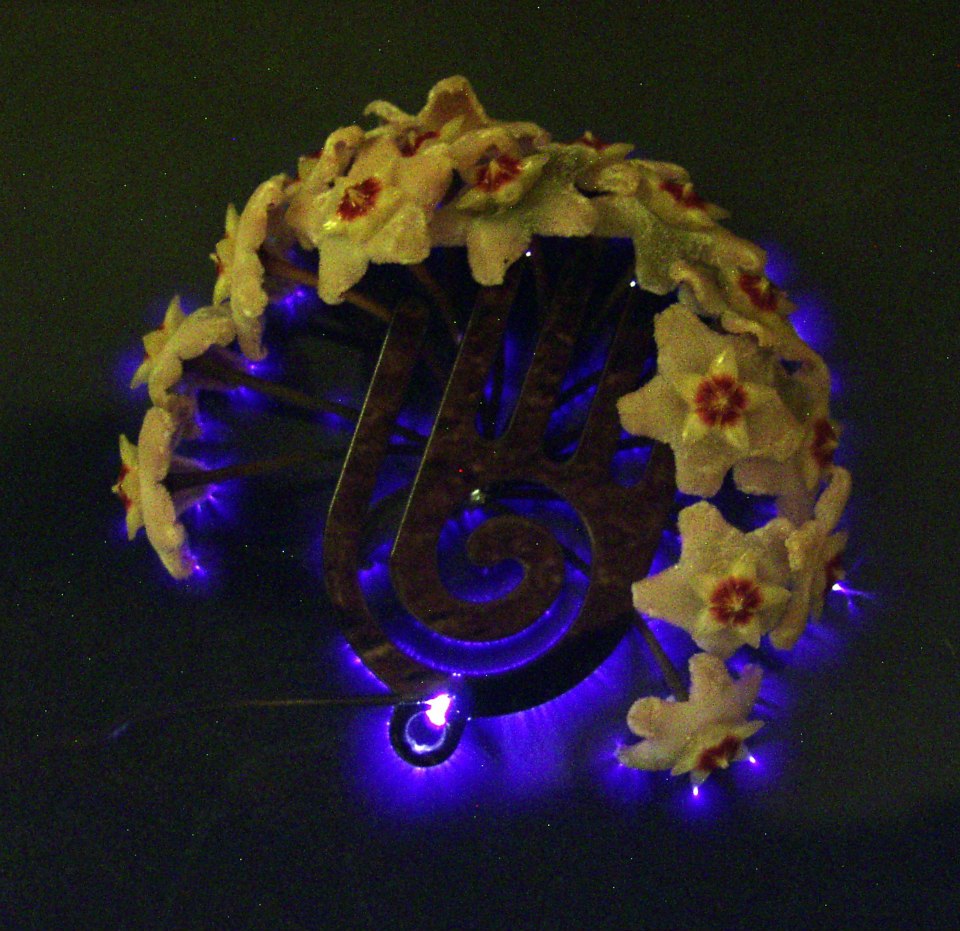
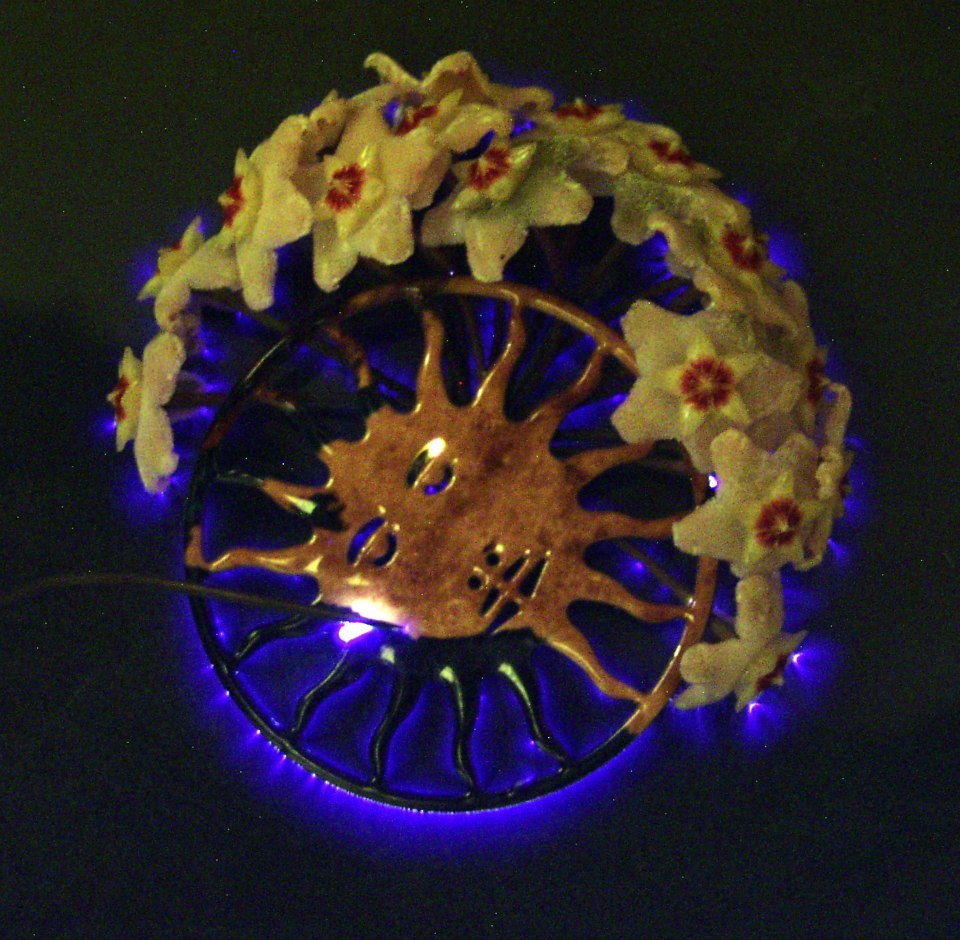
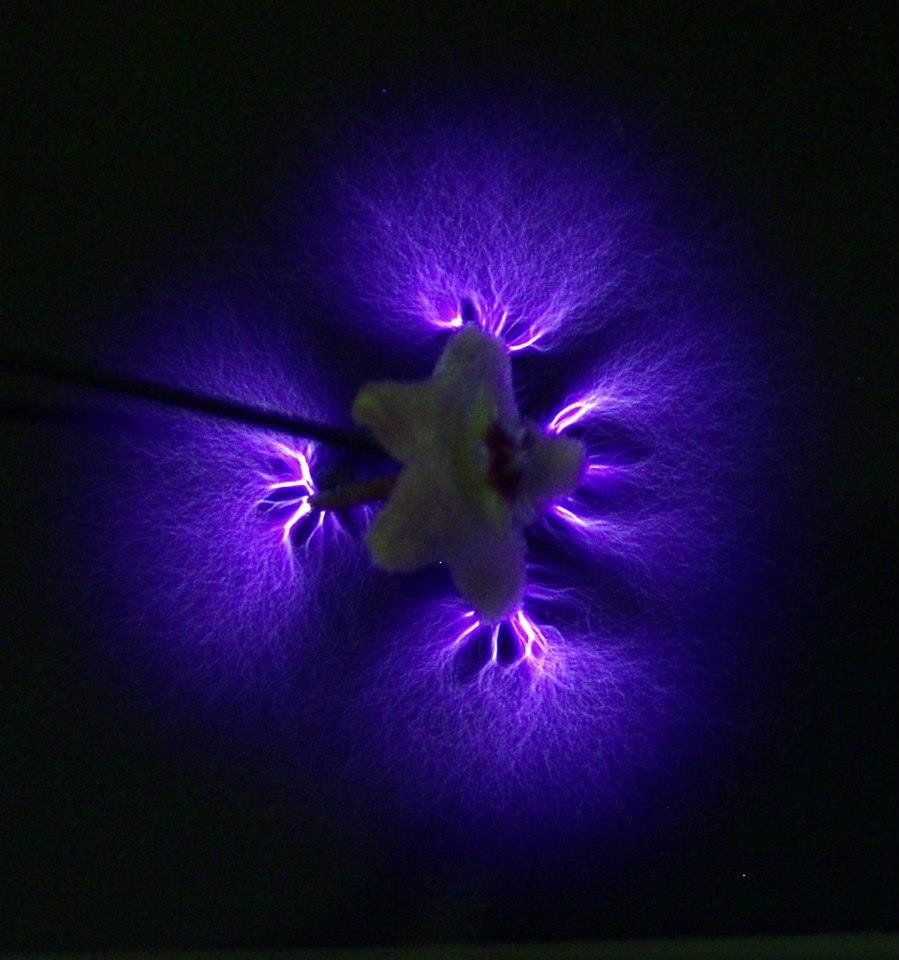
Kirlian Photography is a process that uses pulsed high voltage frequencies & electron cascades to take pictures of usually invisible, radiating energy fields that surround us all. Photo technique.
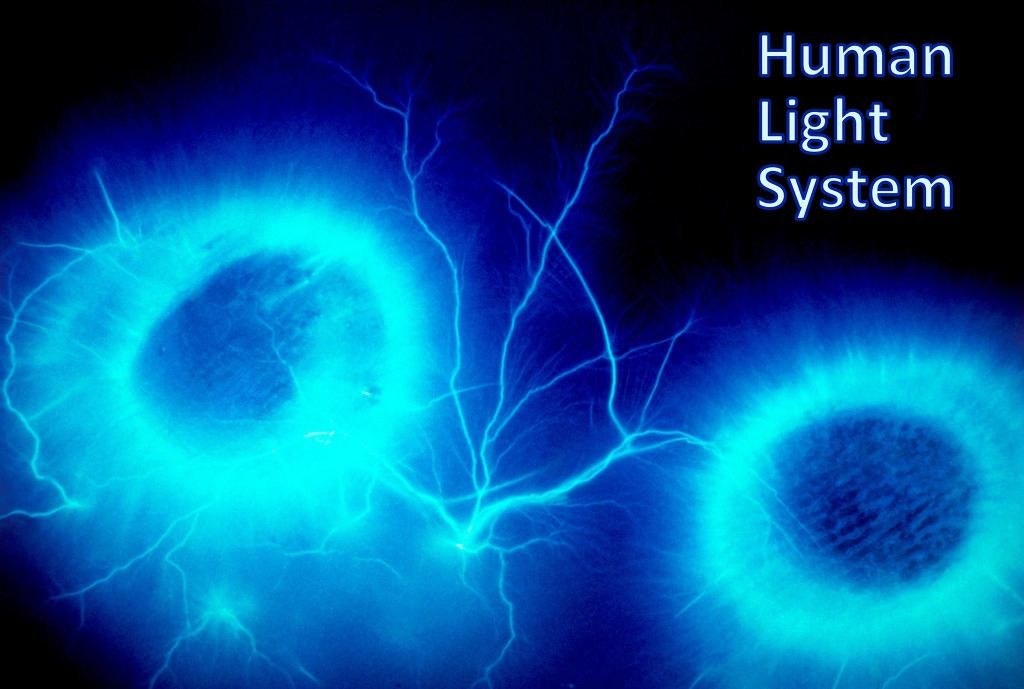
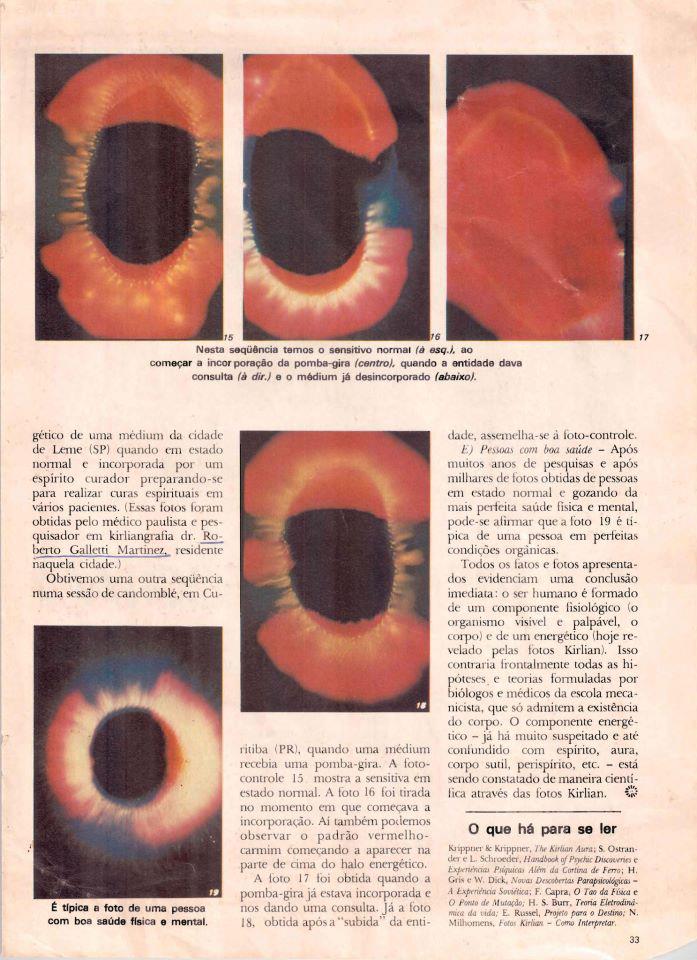
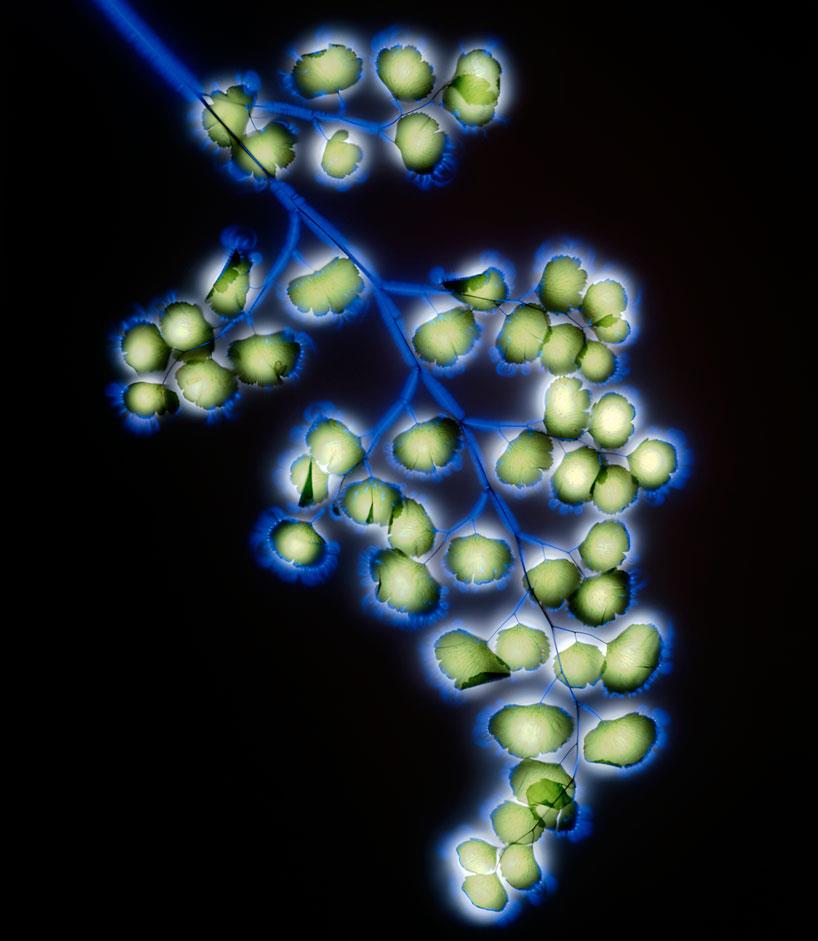
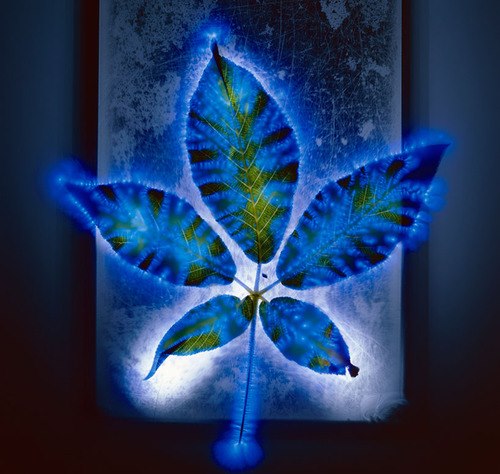
Kirlian effect is a visible electro-photonic glow of an object in response to pulsed electrical field excitation. Semyon Kirlian and his wife who first recorded and studied it in detail since 1930s.
Kirlian Photography process is simple. Sheet film is placed on top of a metal plate, called the discharge or film plate. The object to photograph is placed on top of the film. High voltage is applied to the plate momentarily to make an exposure. The corona discharge between the object and discharge plate passes through and is recorded onto the film. When the film is developed you have a Kirlian photograph of the object.
Kirlian photography Gallery
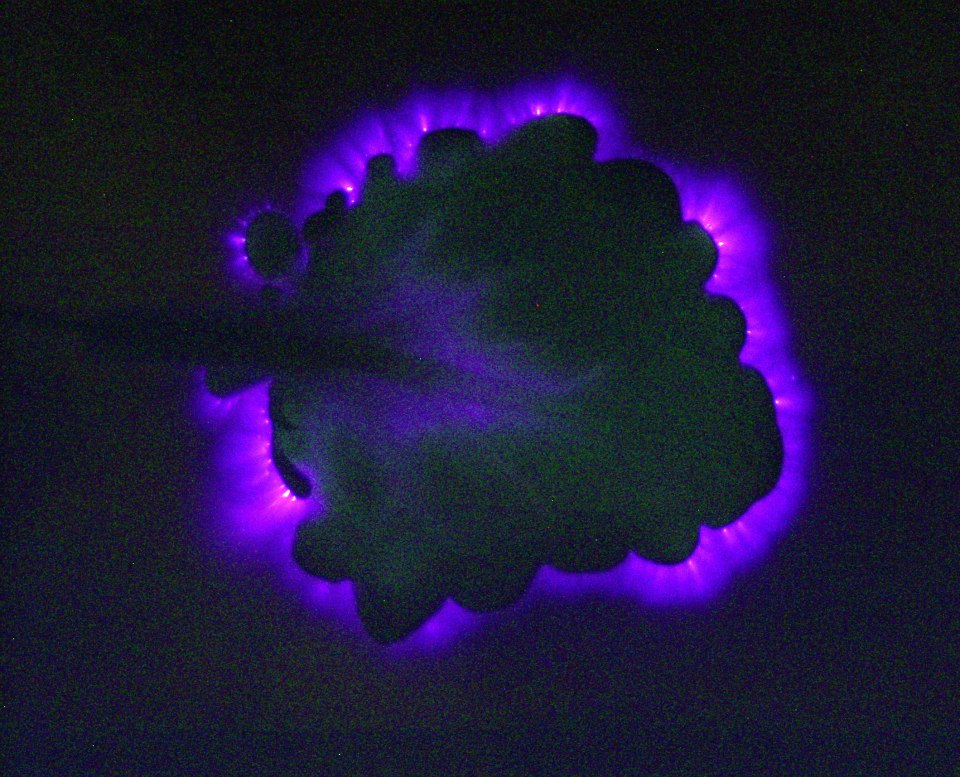
The principle of Kirlian Photography is straight forward: if an object is placed on a photographic plate which is then connected to a source of high-voltage current, an image will appear on the photographic plate. The resulting image appears because of the electrical coronal discharge taking place between the subject and the metal plate.
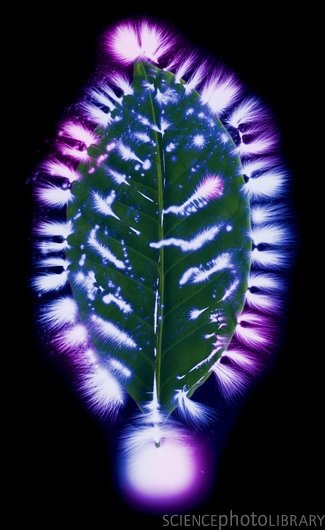
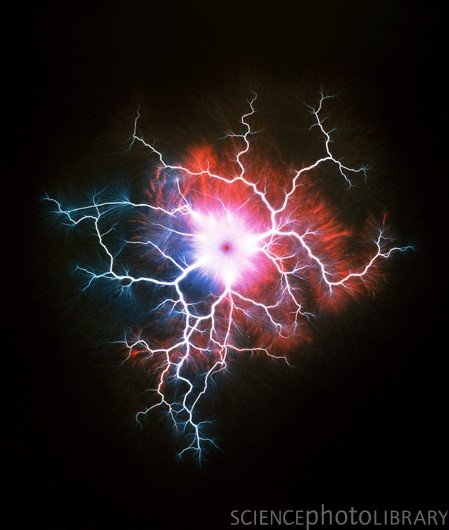
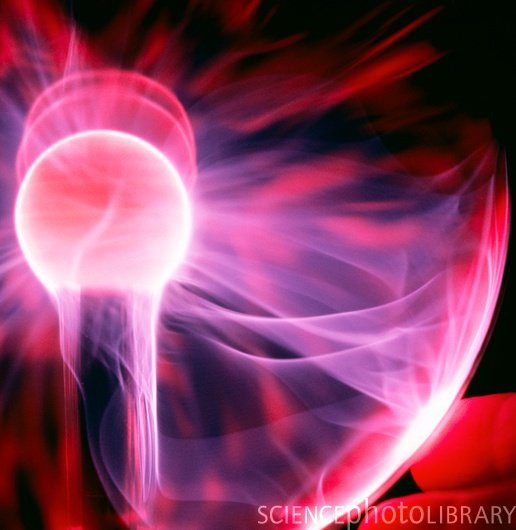
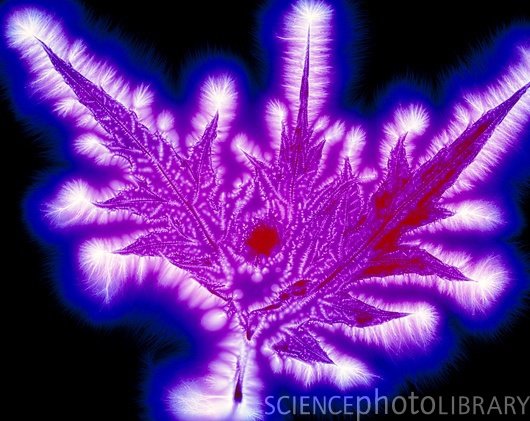
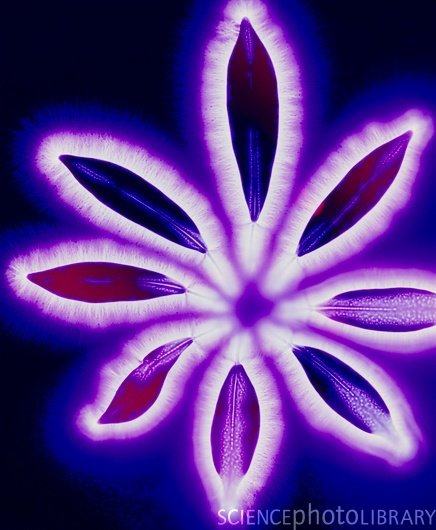
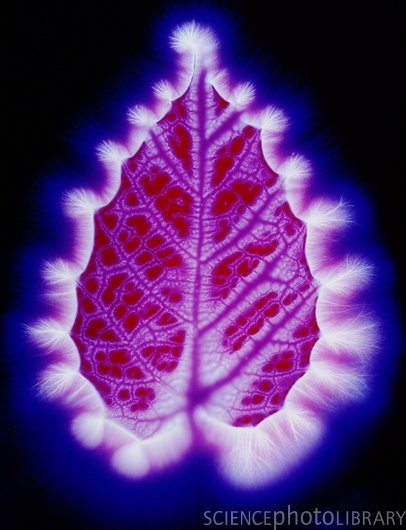
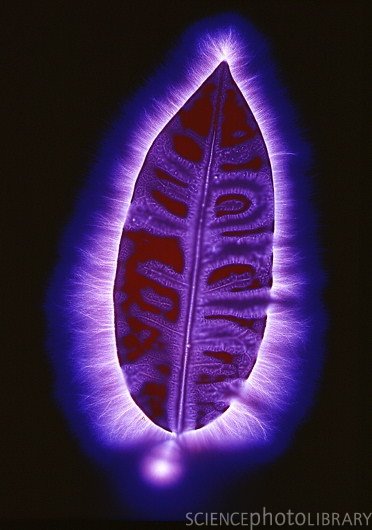

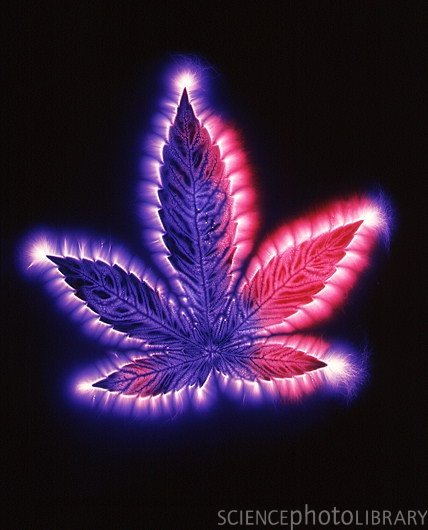
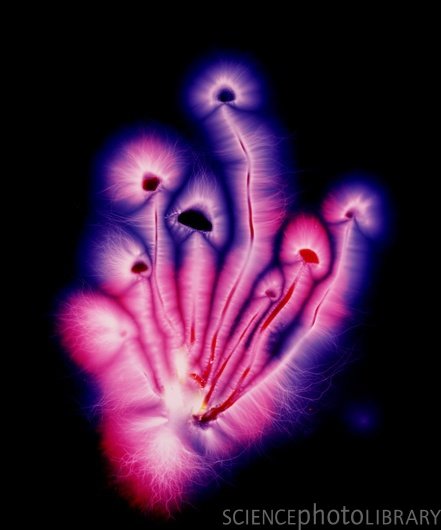
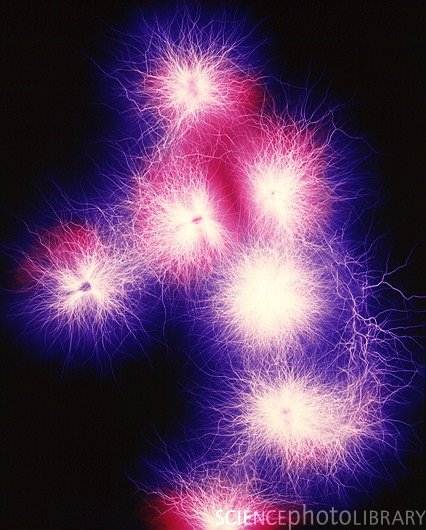
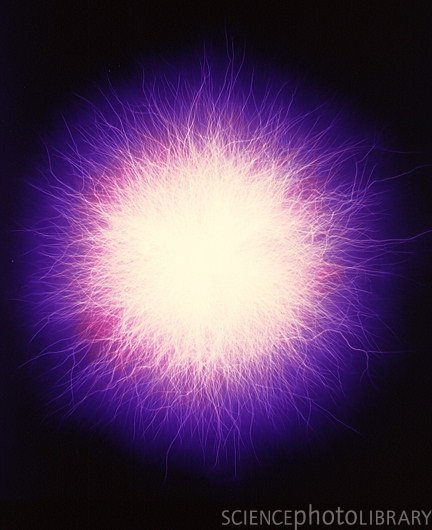
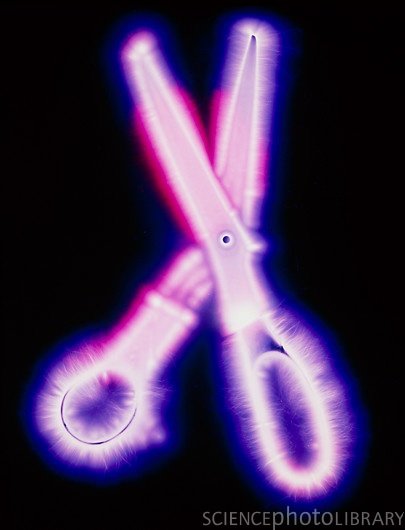
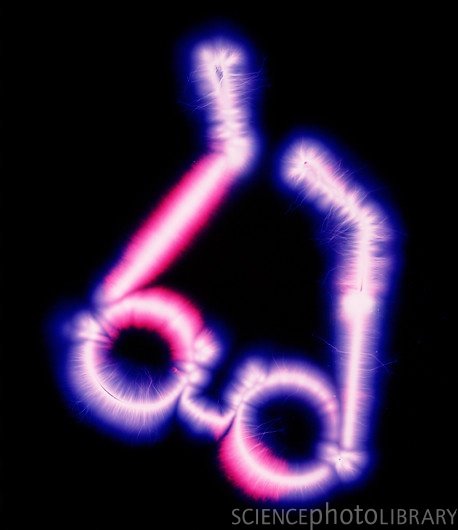
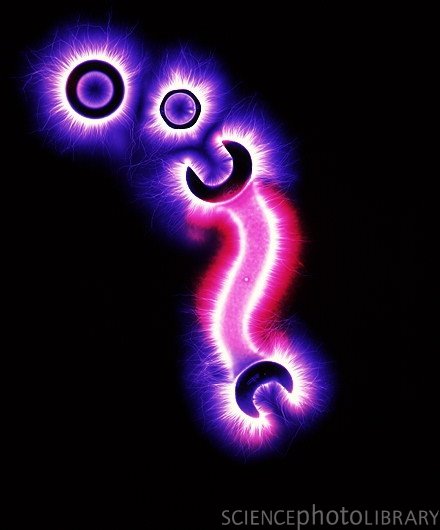
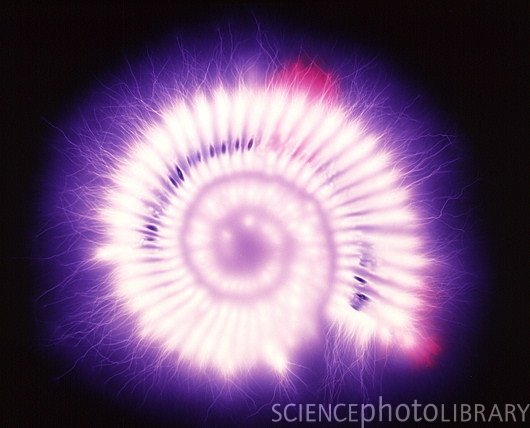
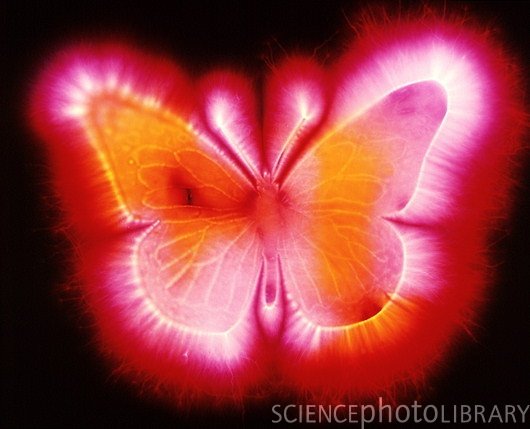
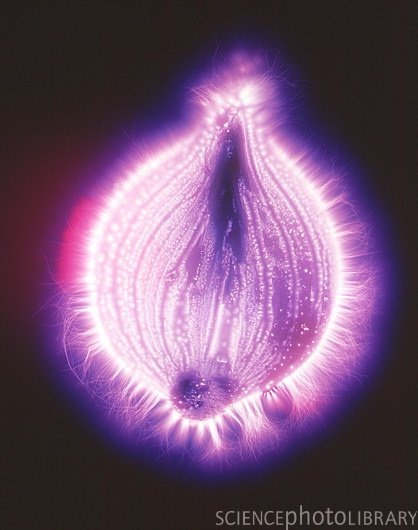
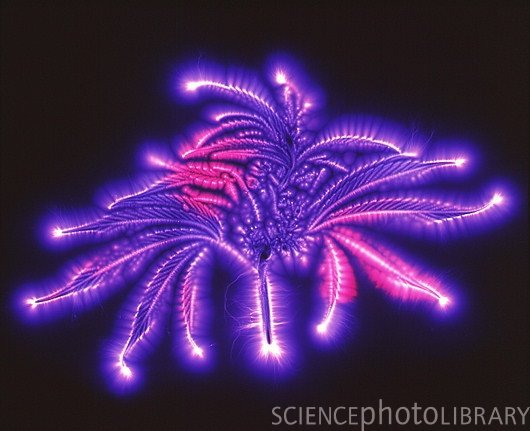
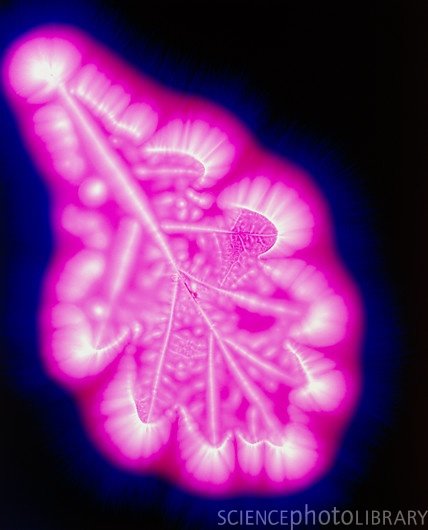
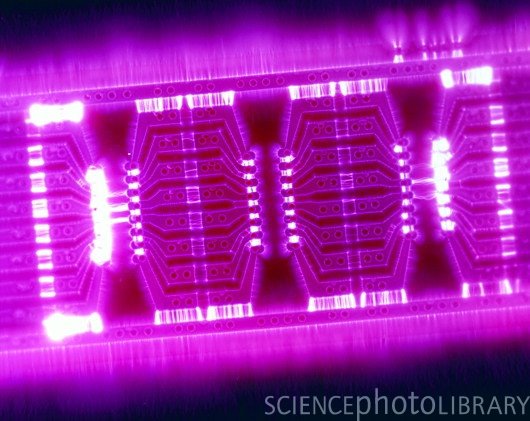
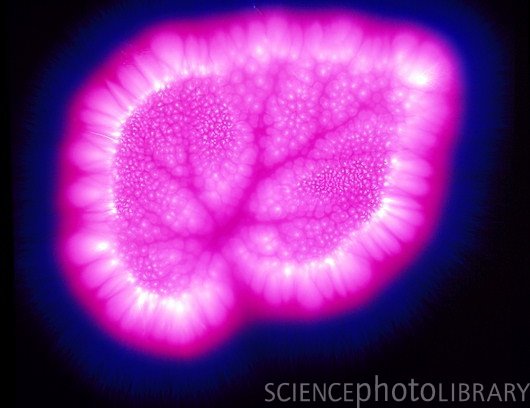
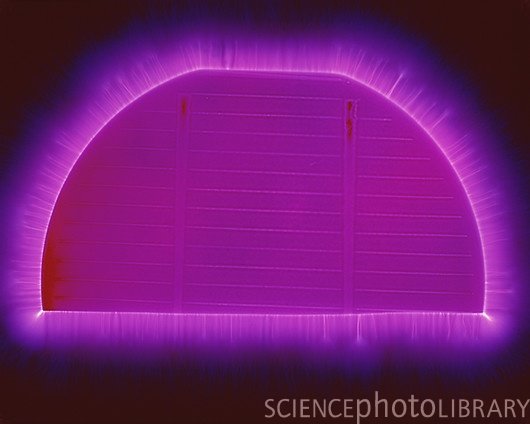
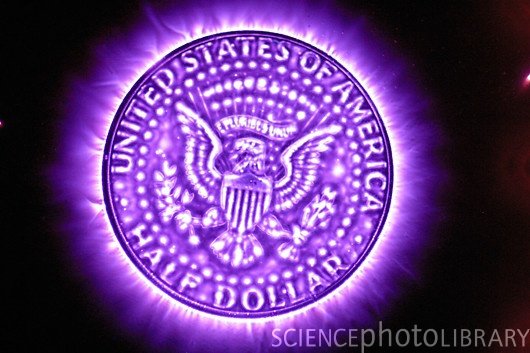
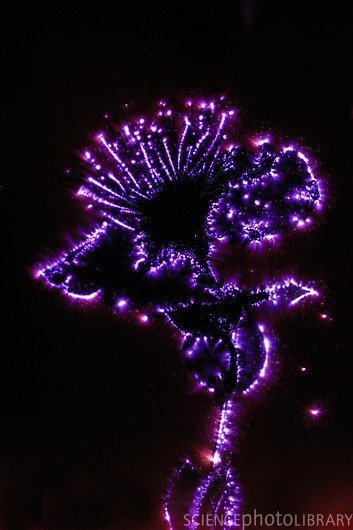
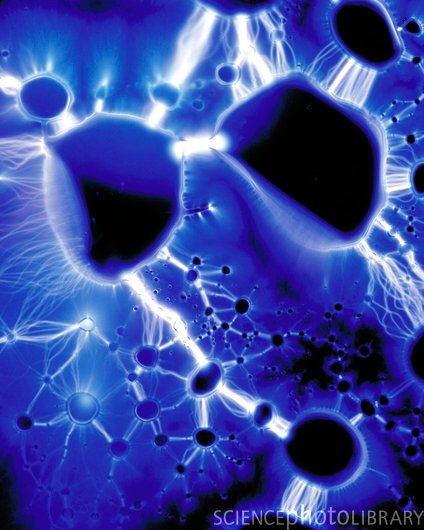
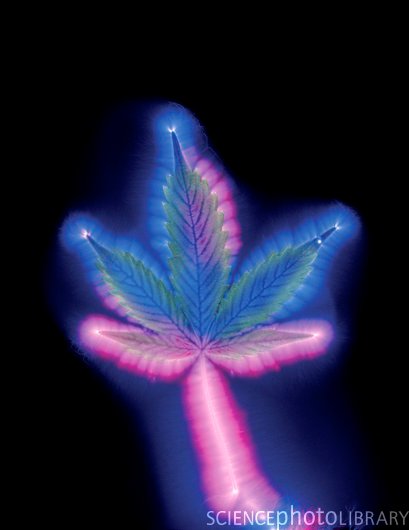
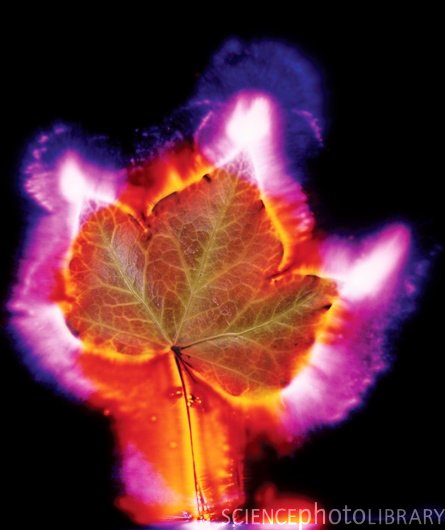
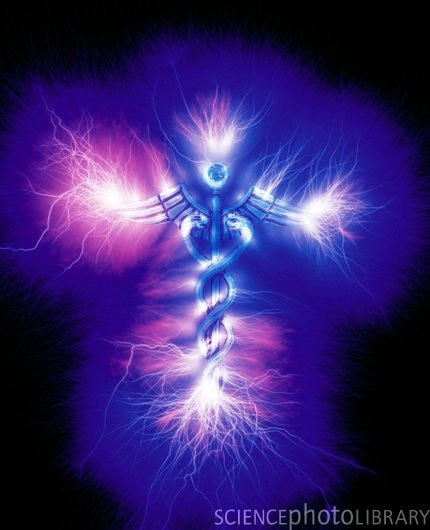
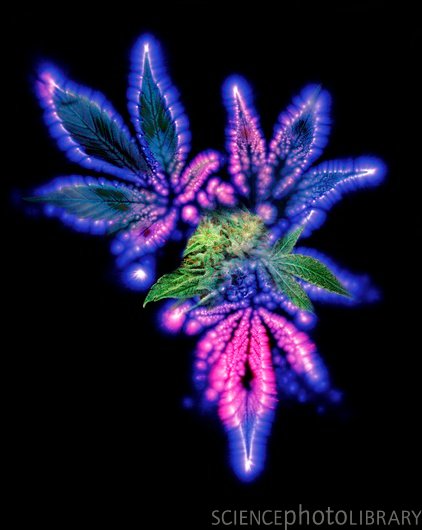
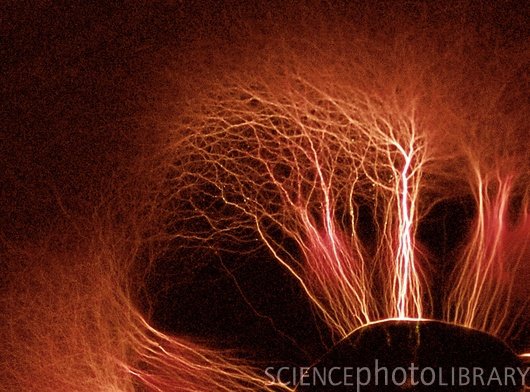
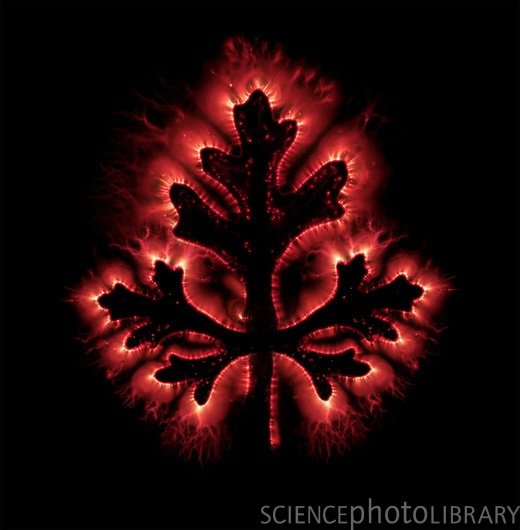
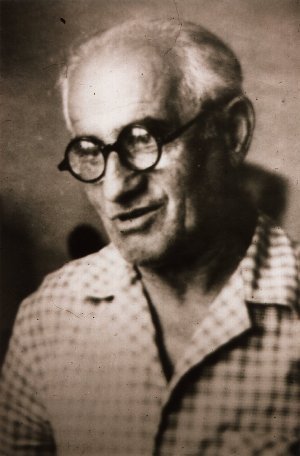
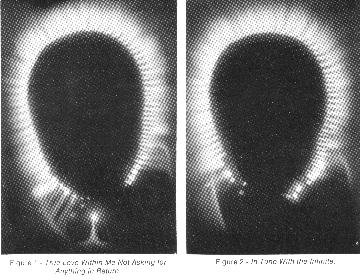
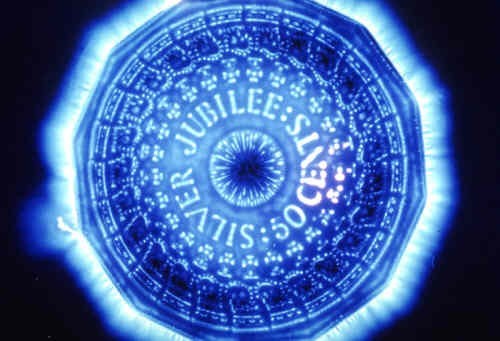
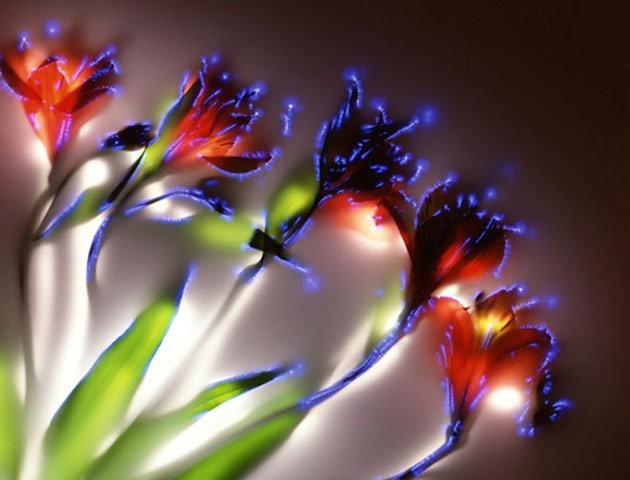
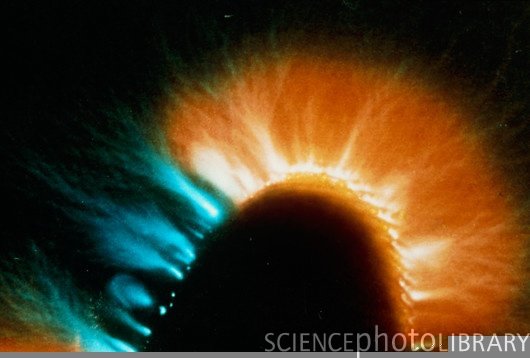
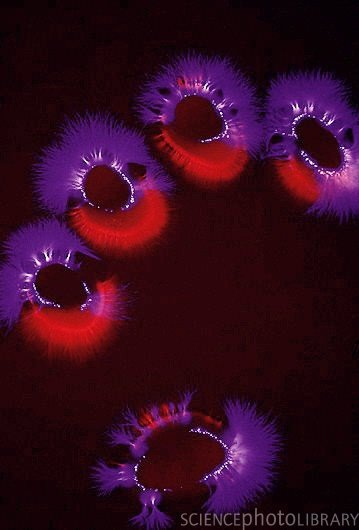
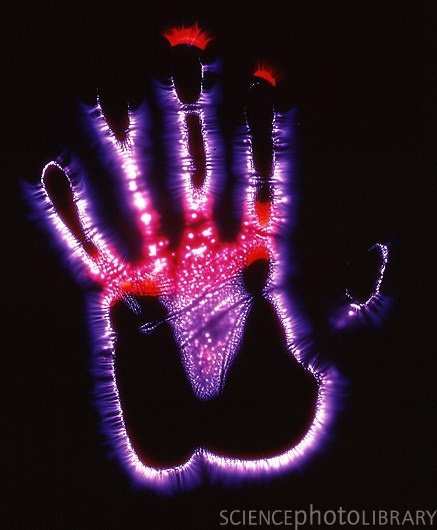
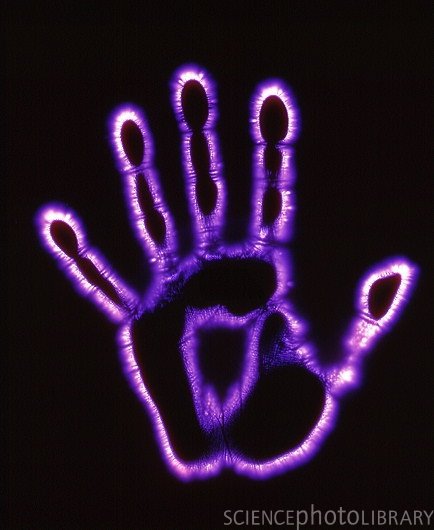
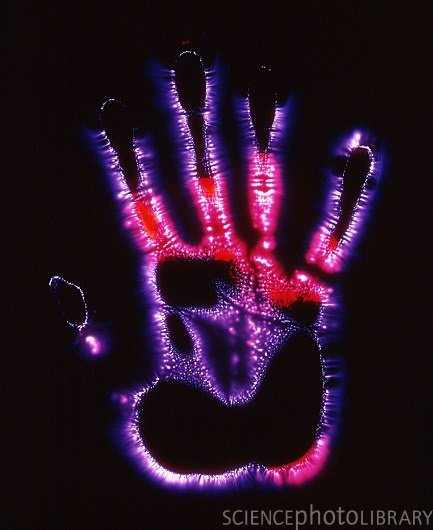
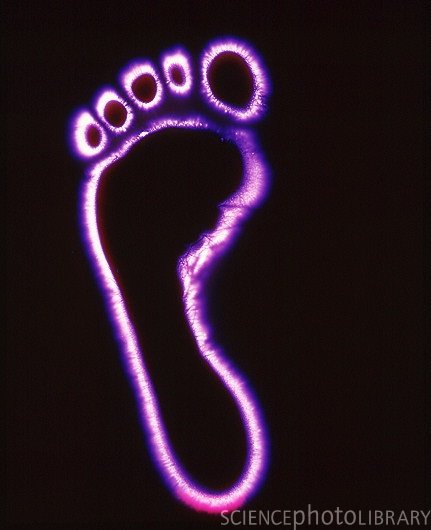
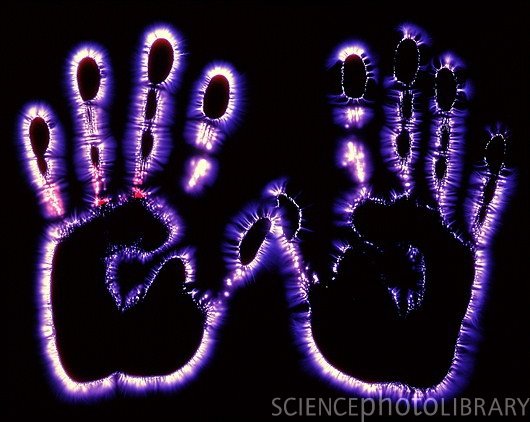
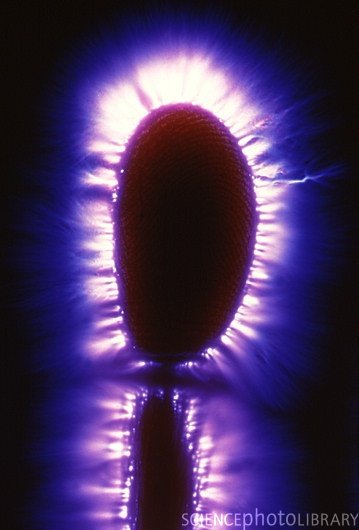
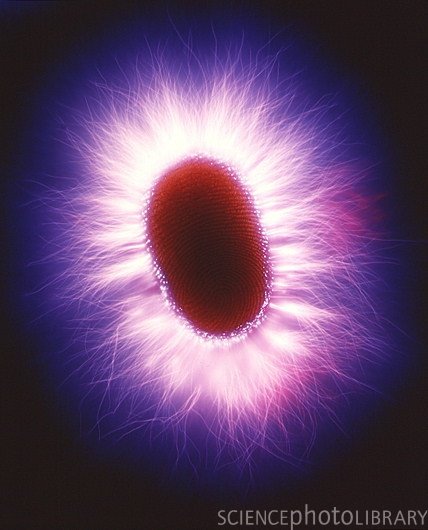
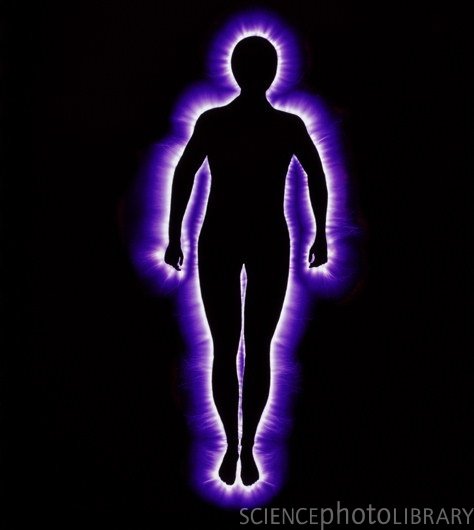
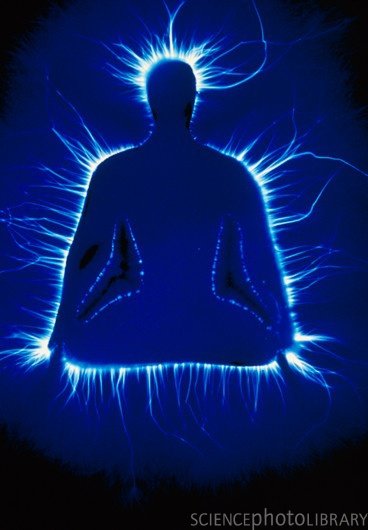
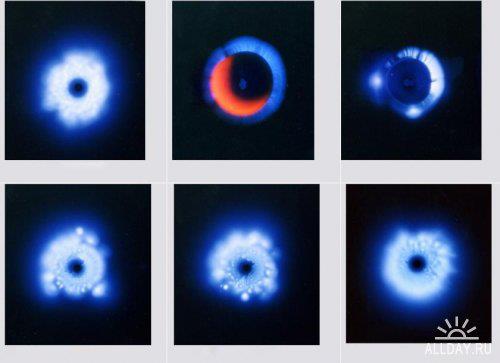
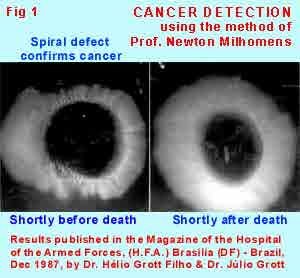
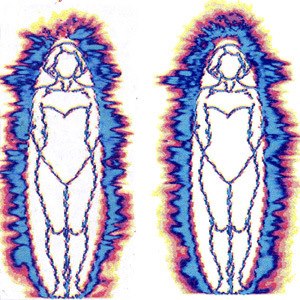
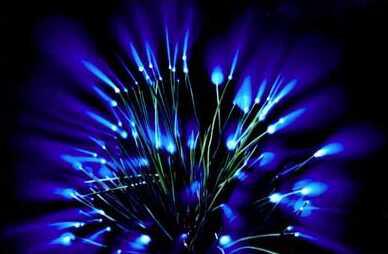
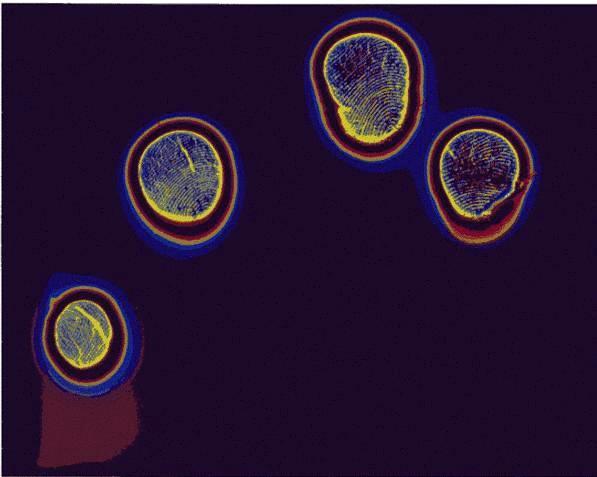
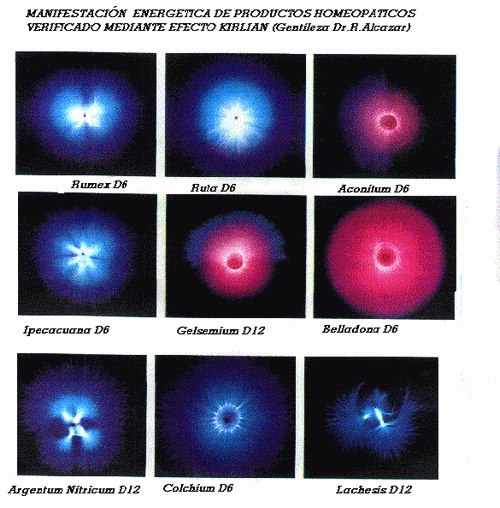
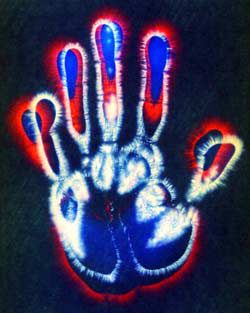
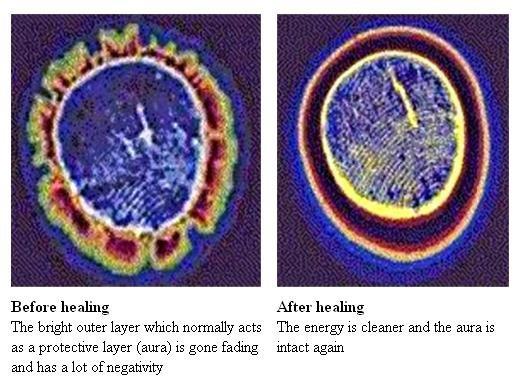
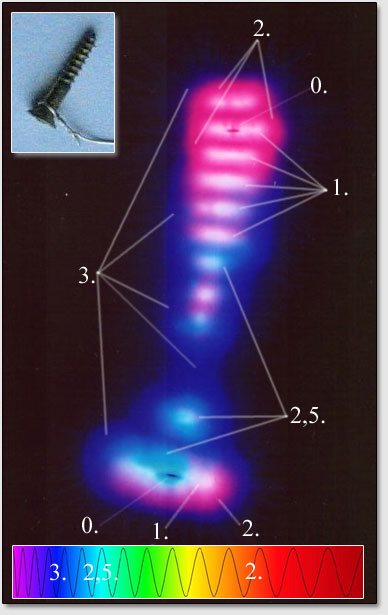
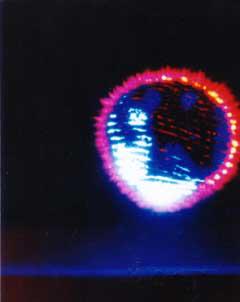
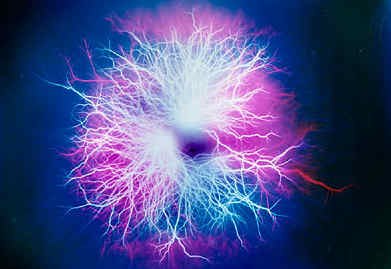
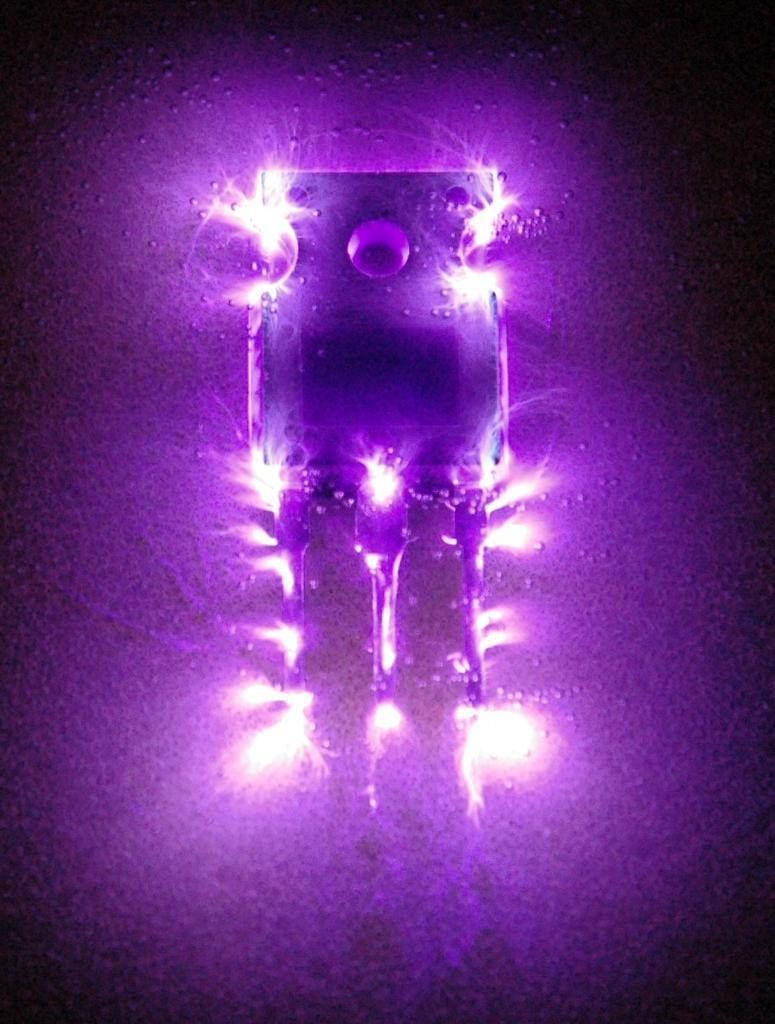
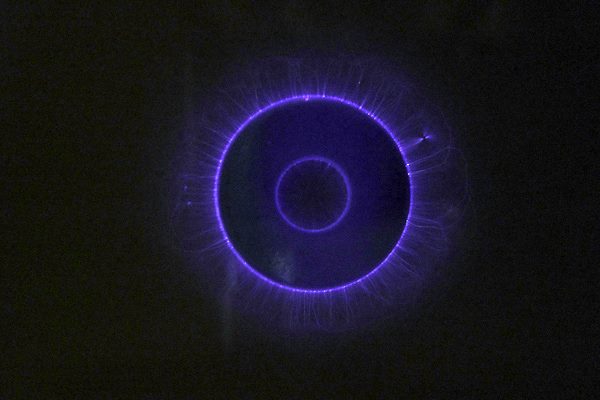
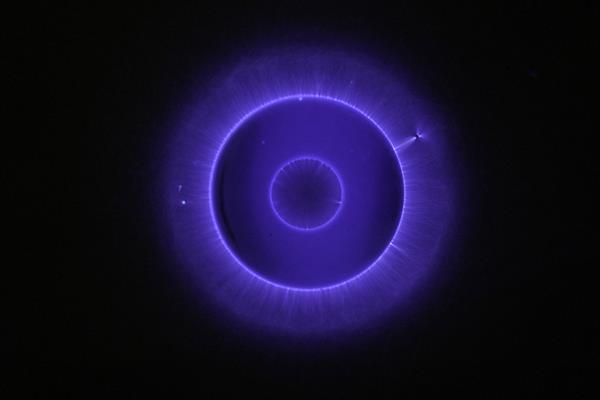
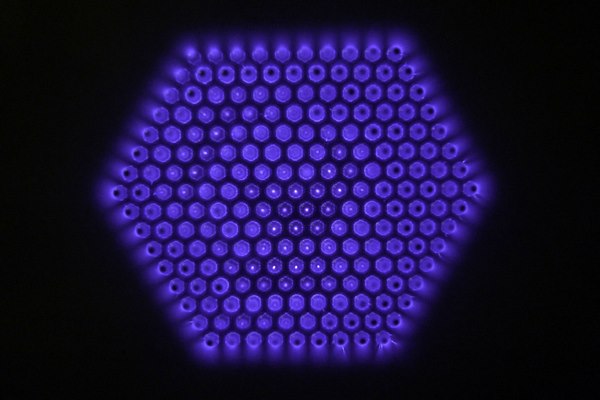
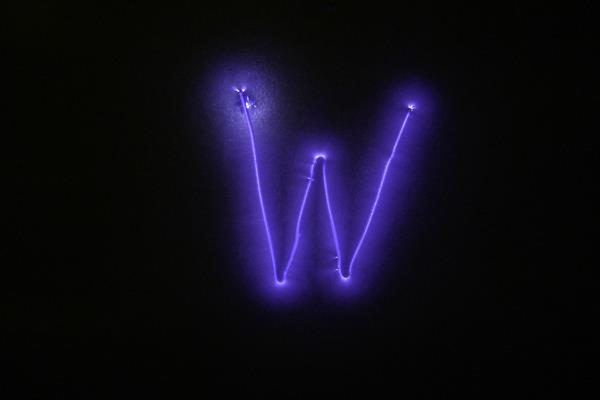
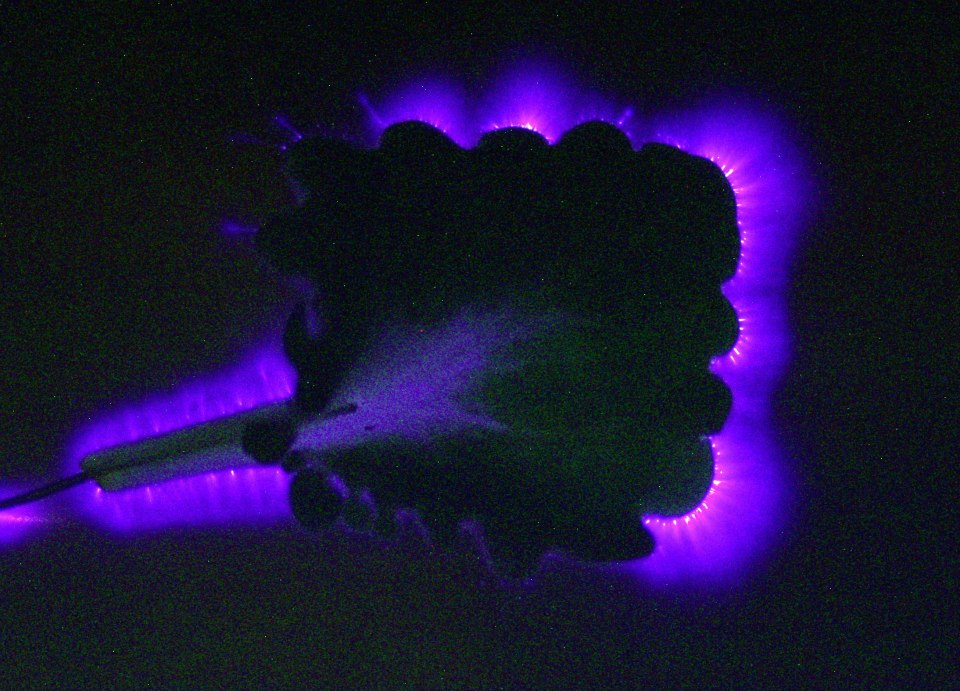
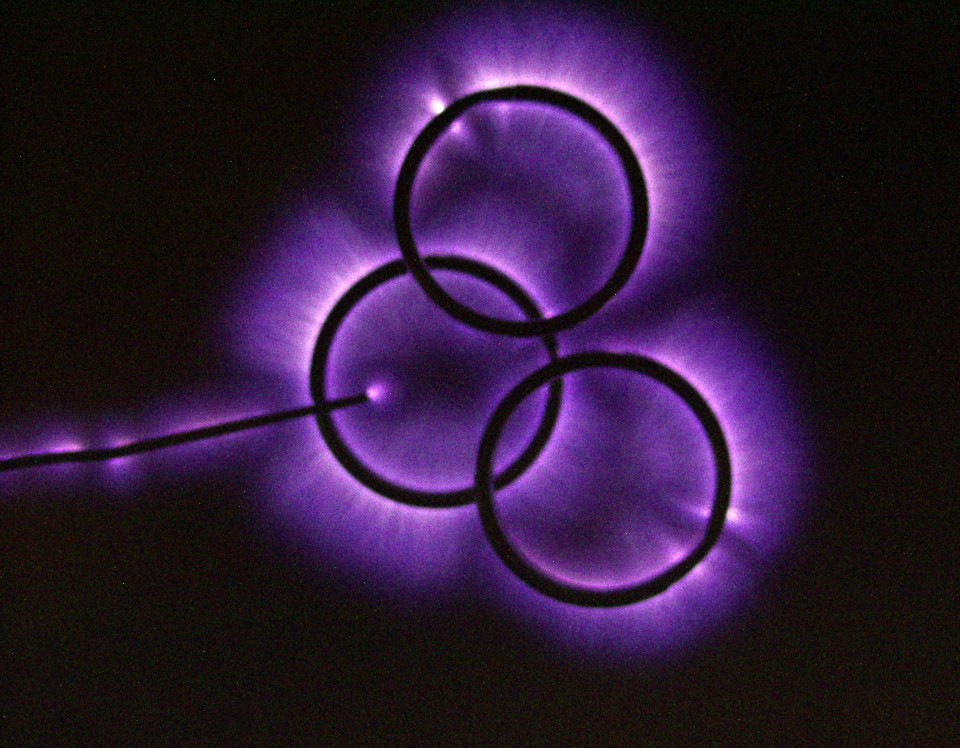
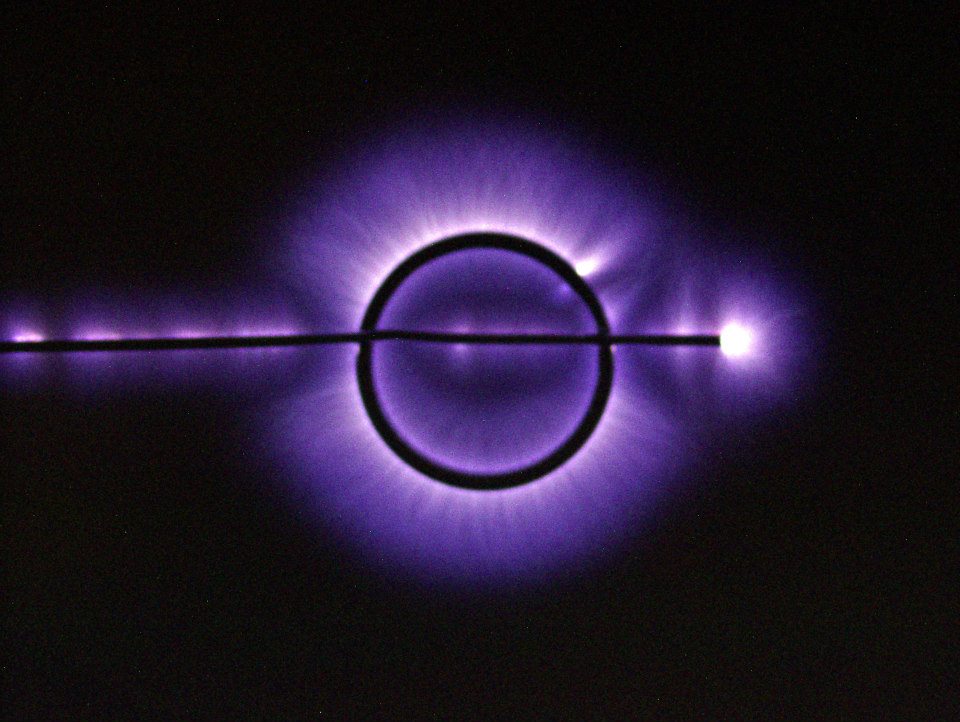
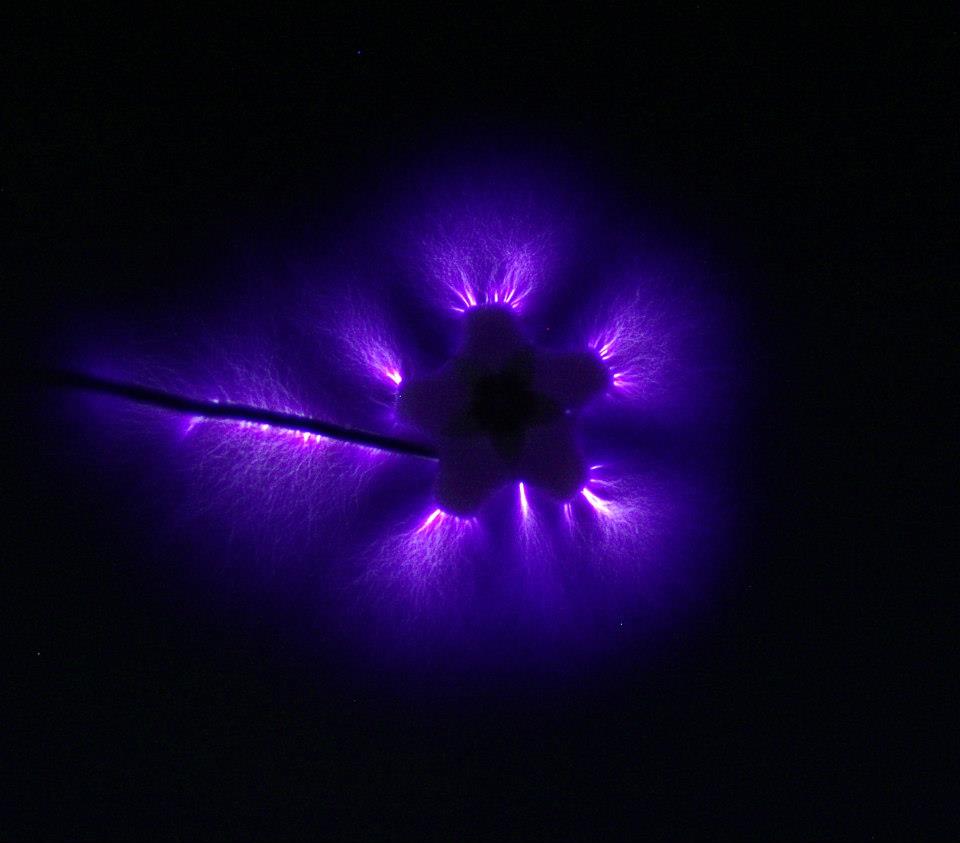
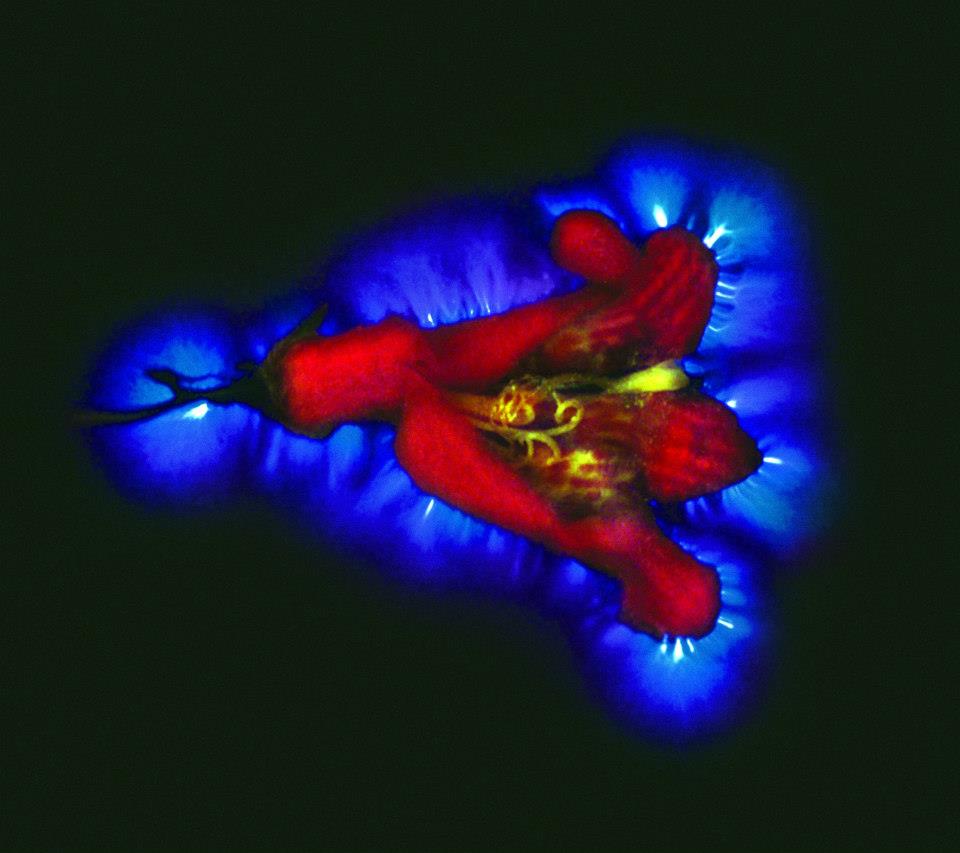
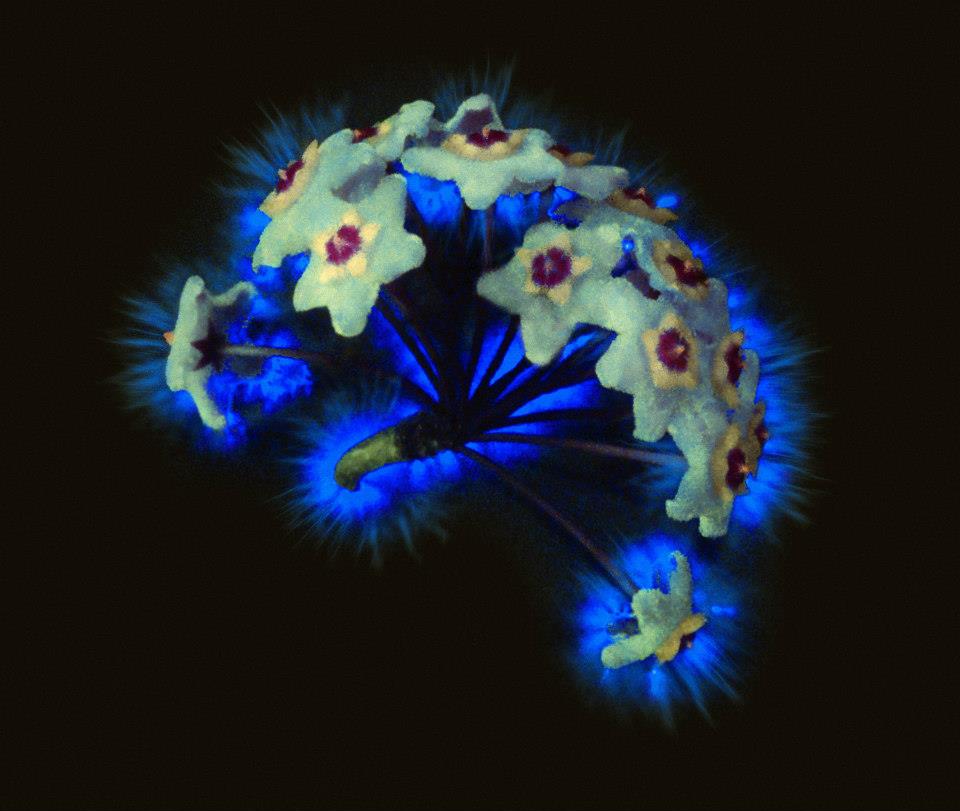
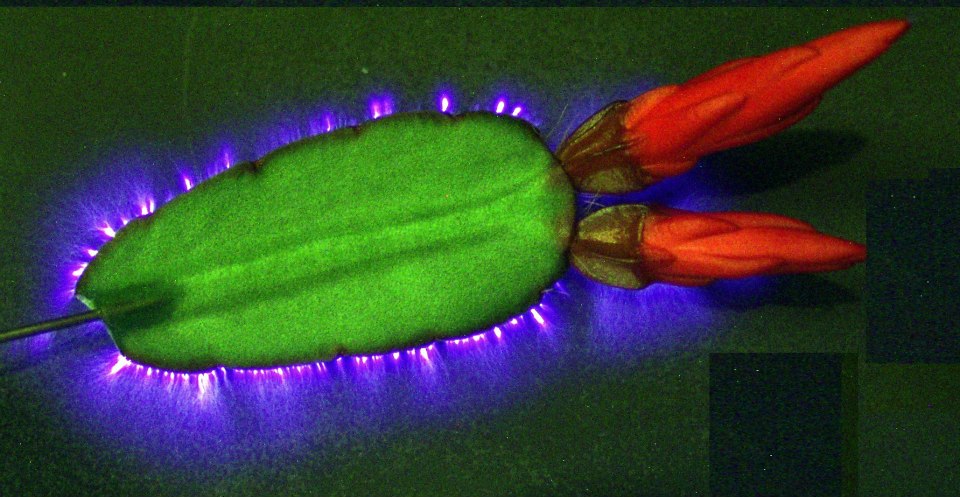
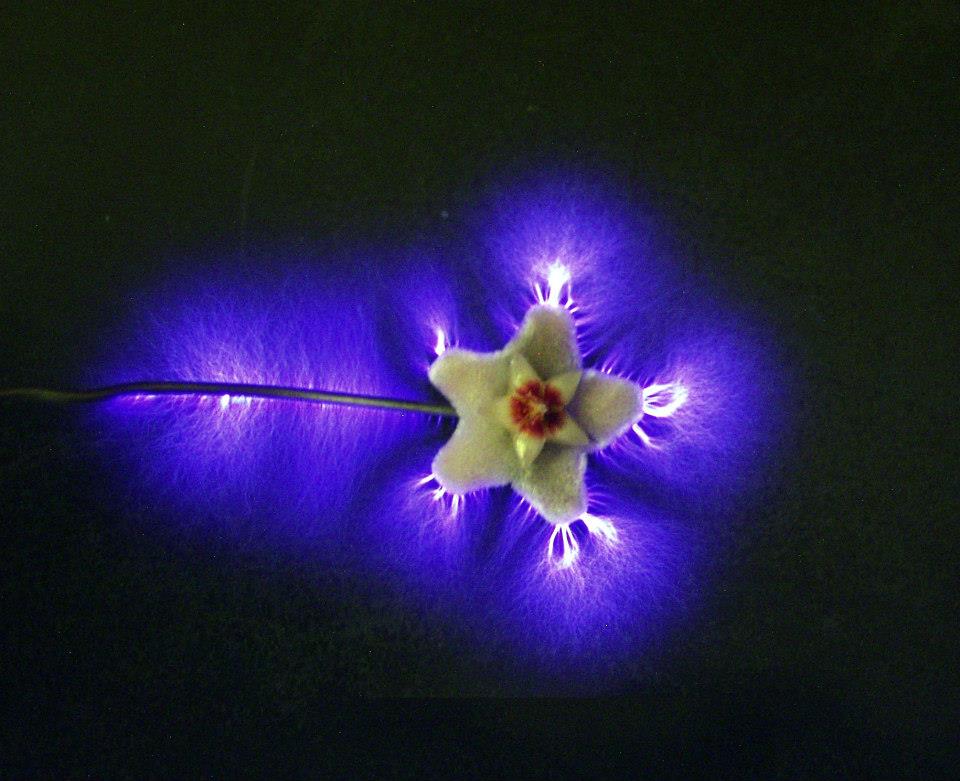
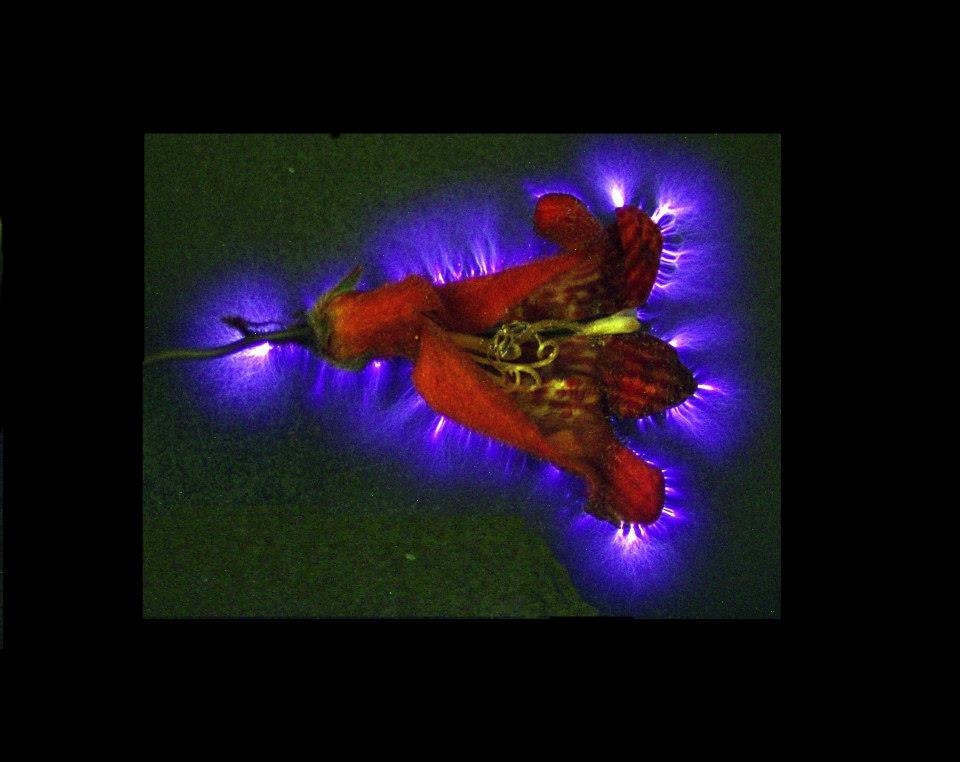
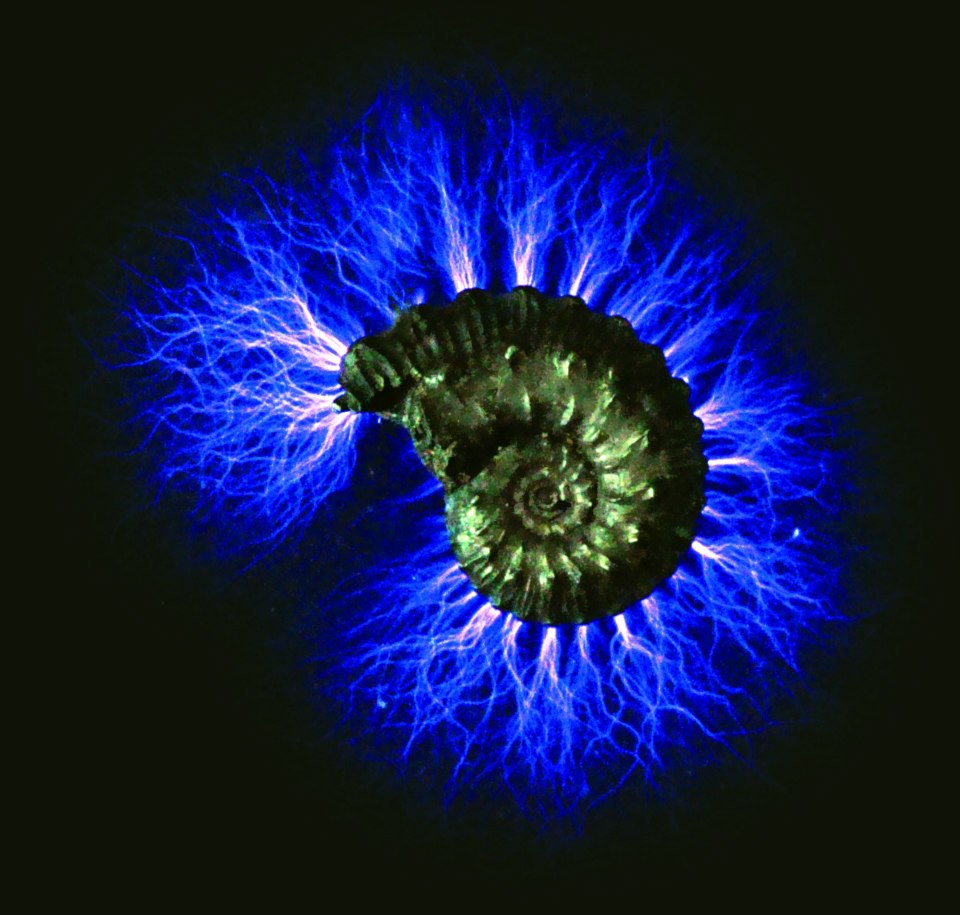
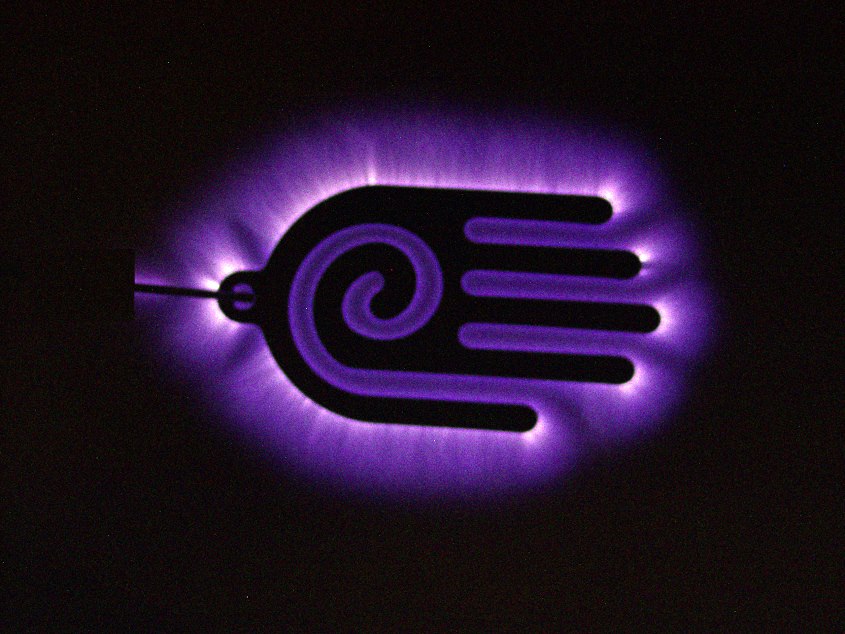
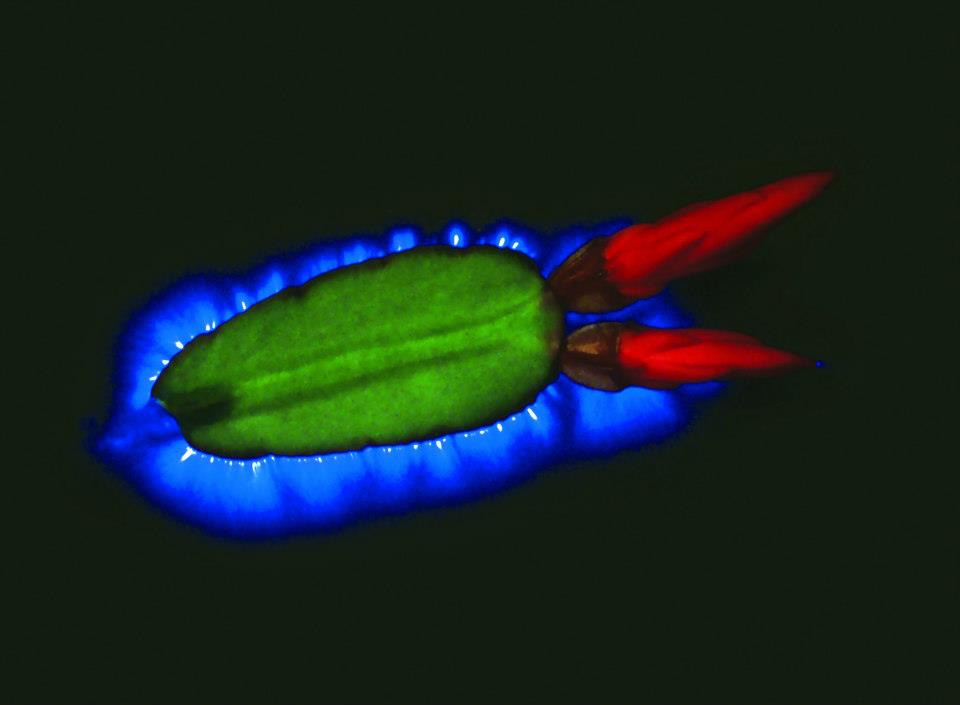
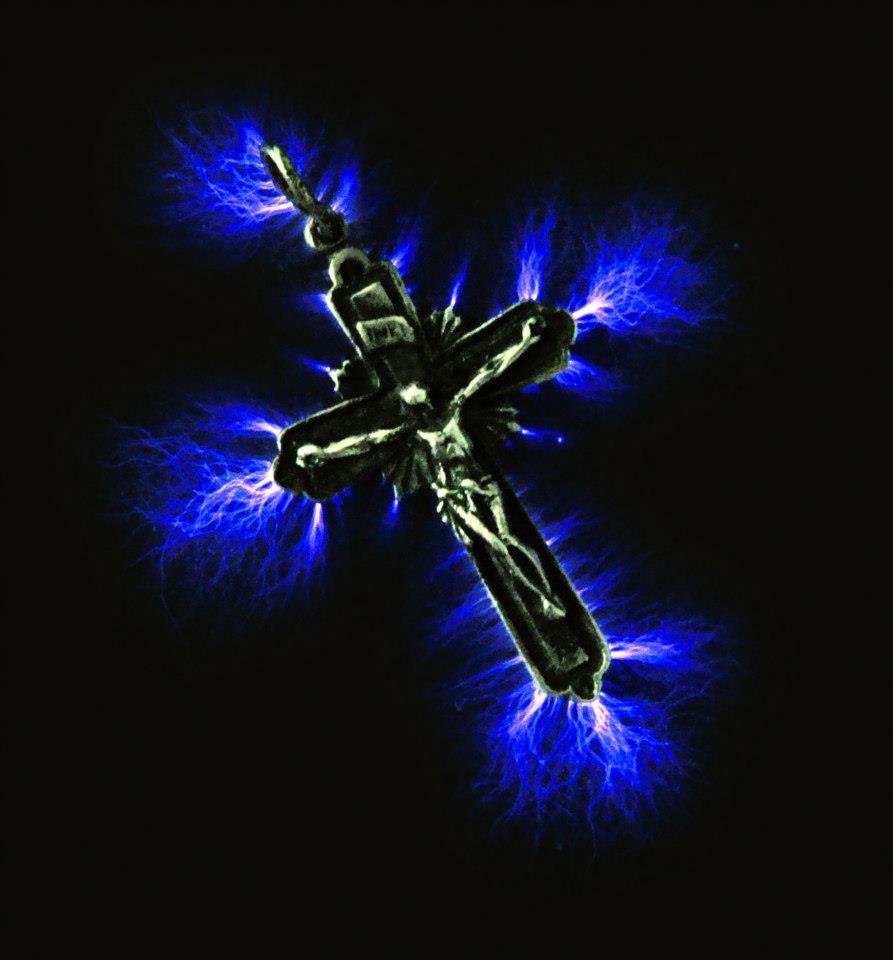
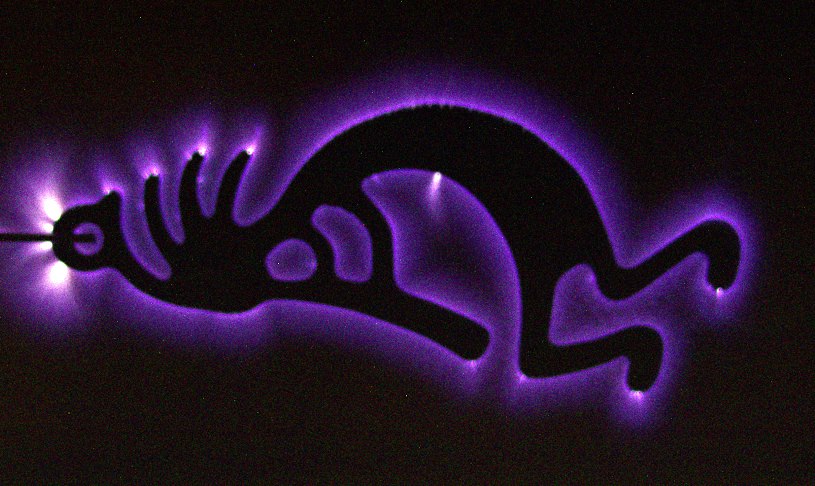
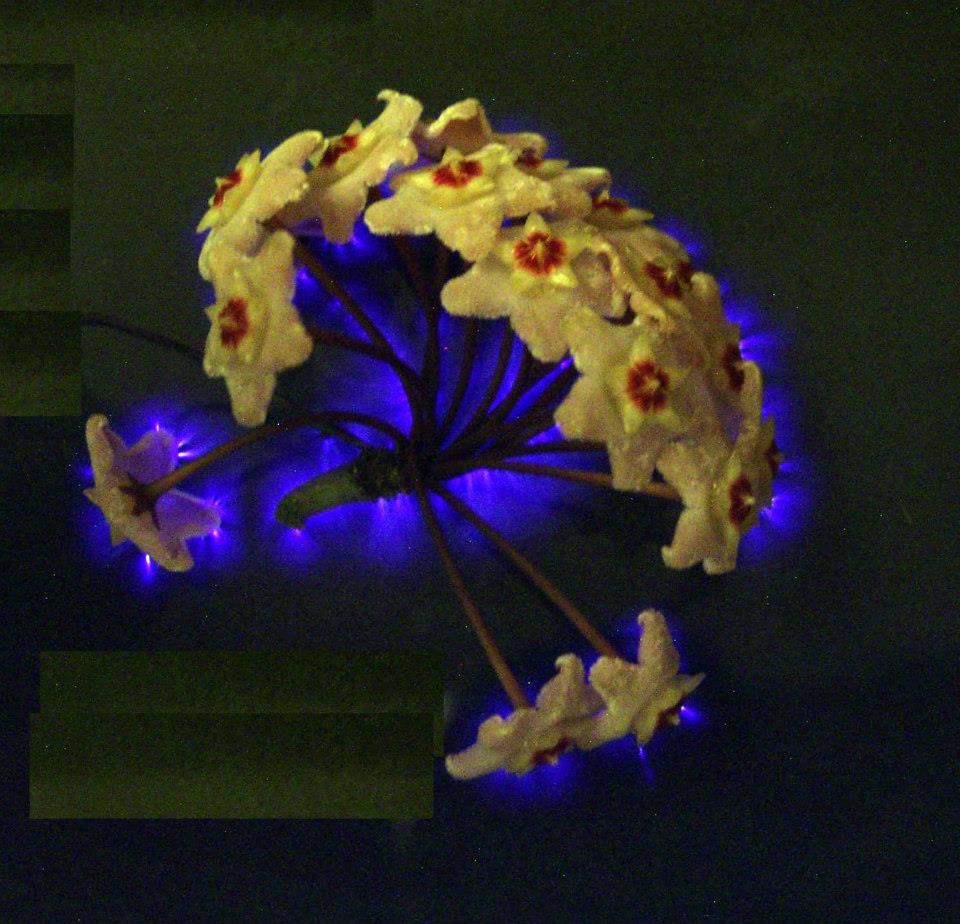
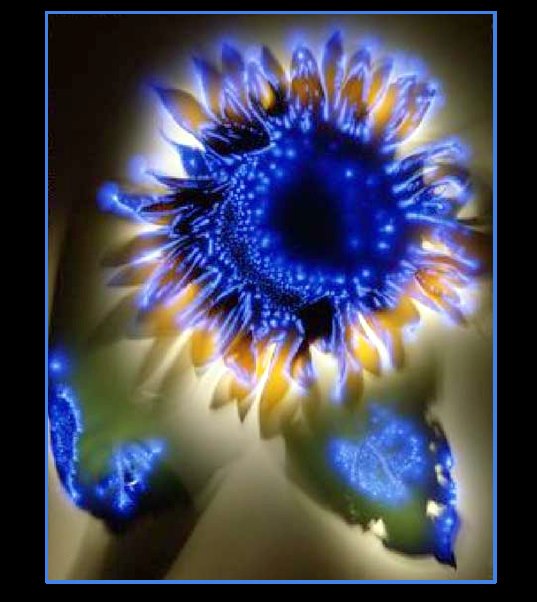
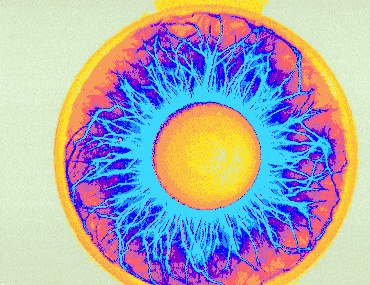
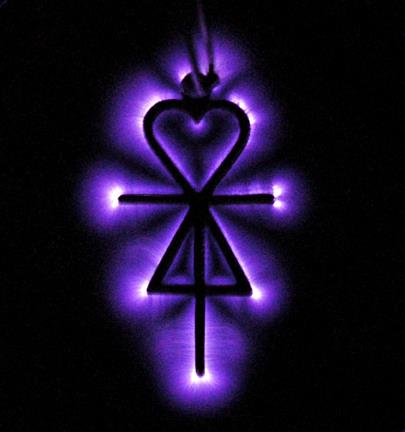
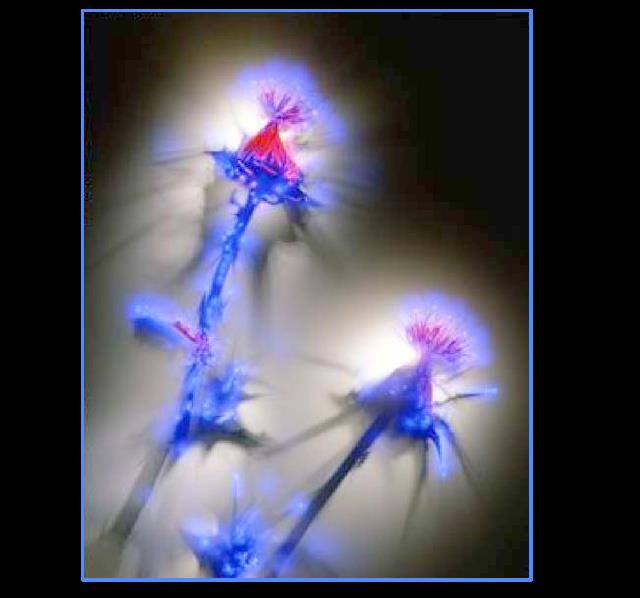
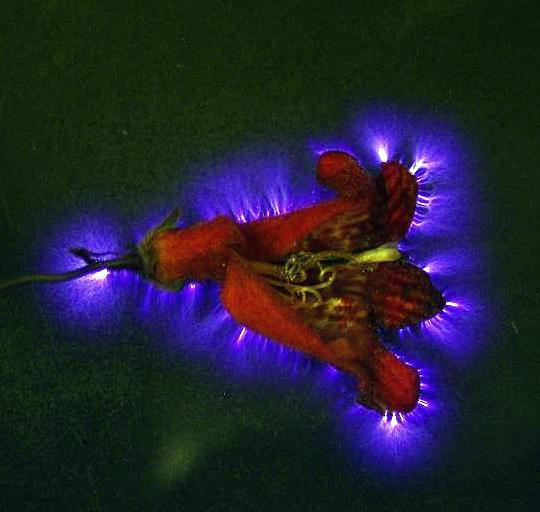
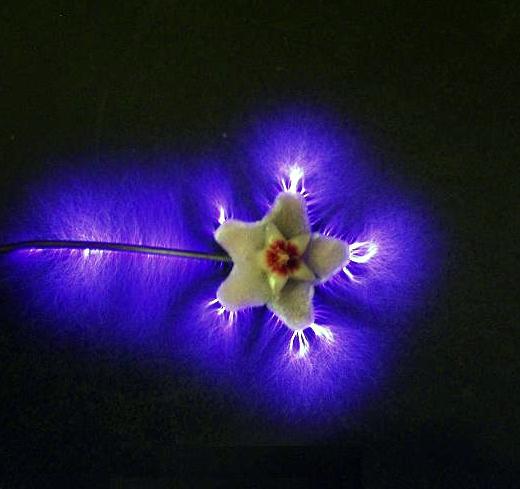
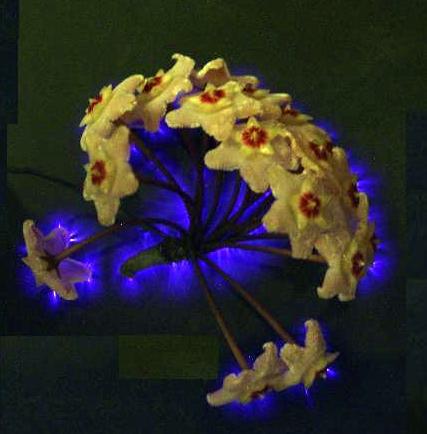
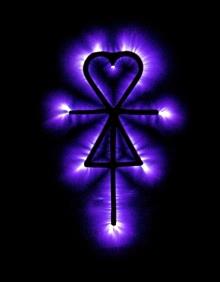
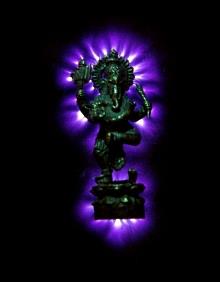
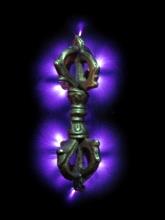
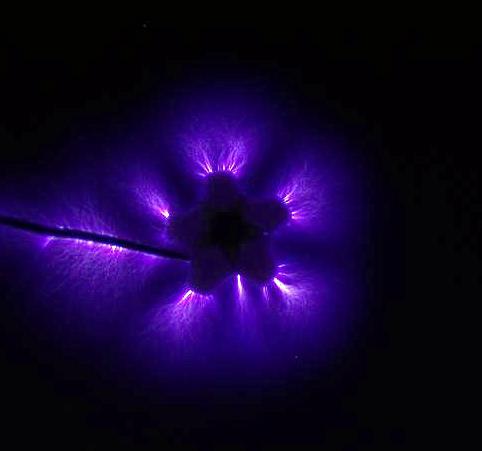
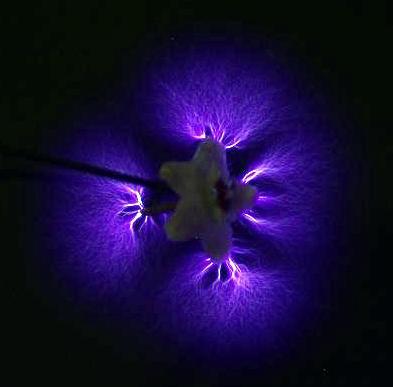
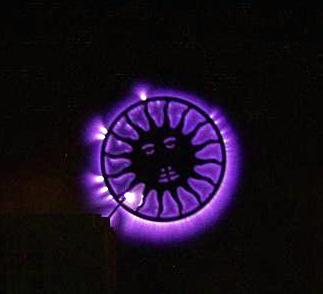
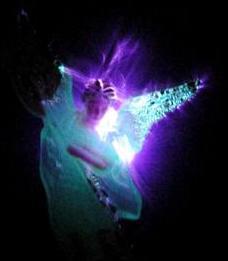
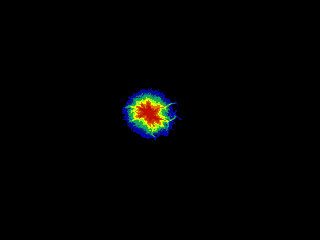
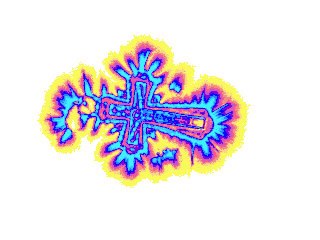
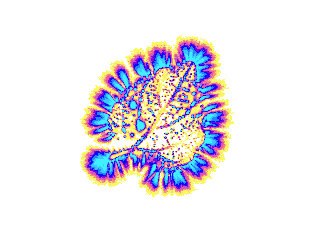
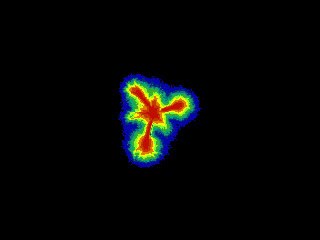
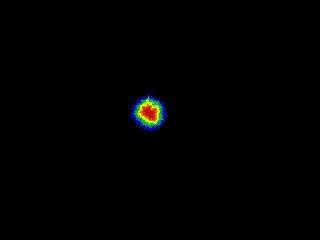
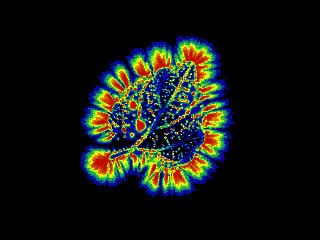
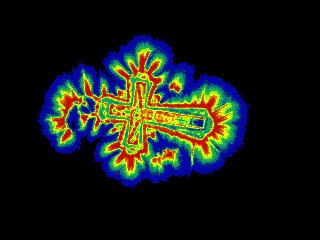
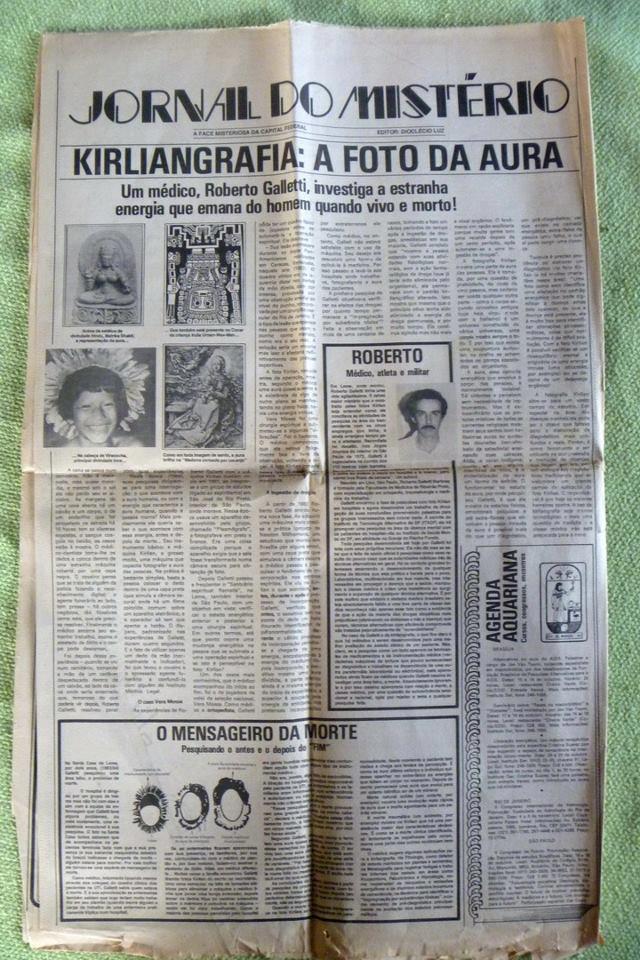
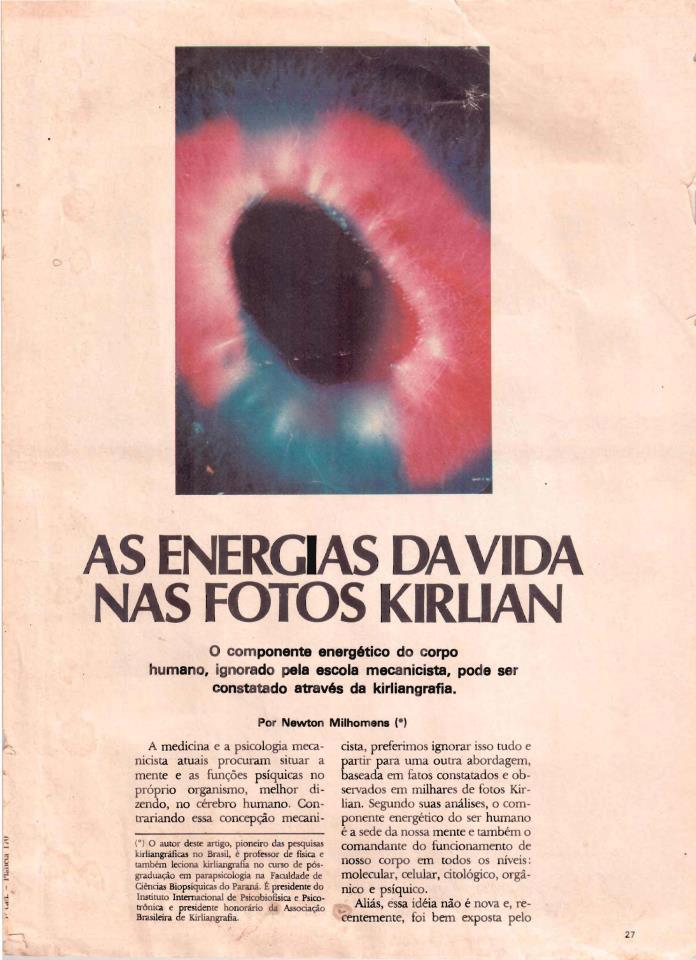
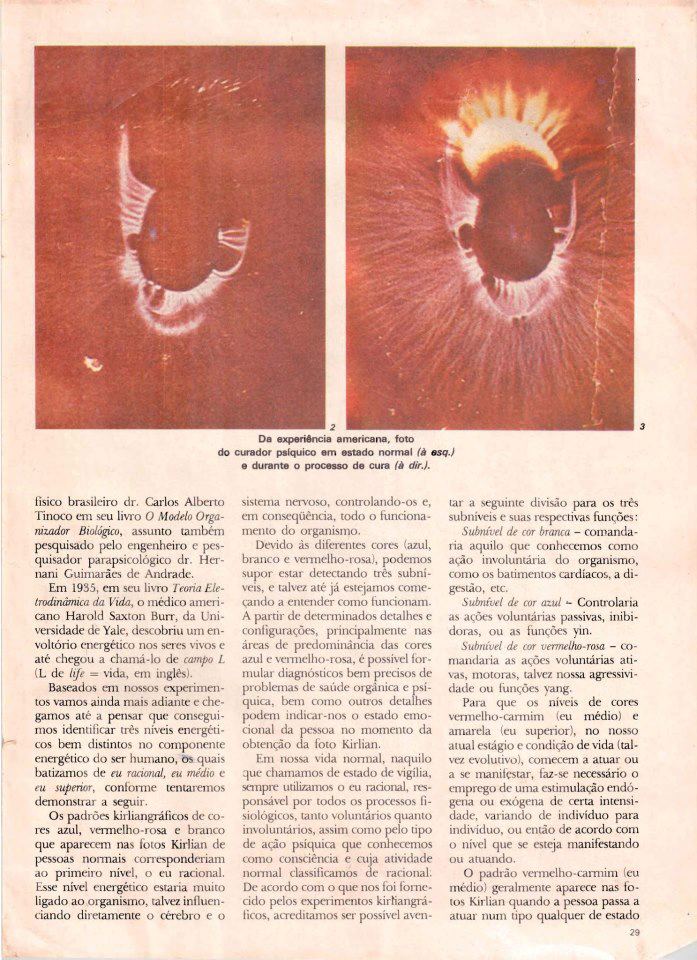
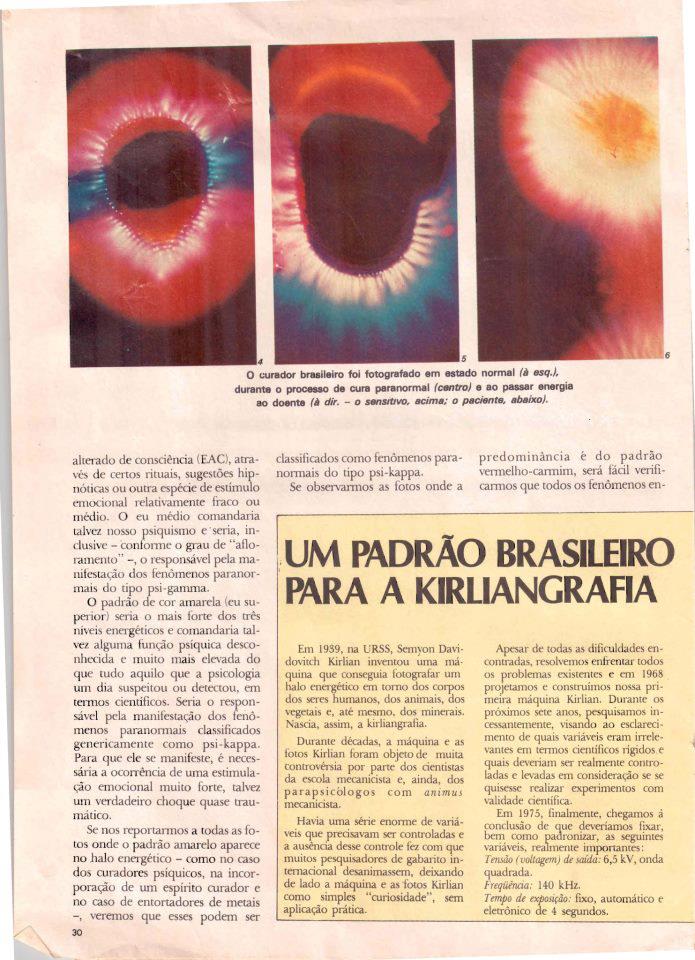
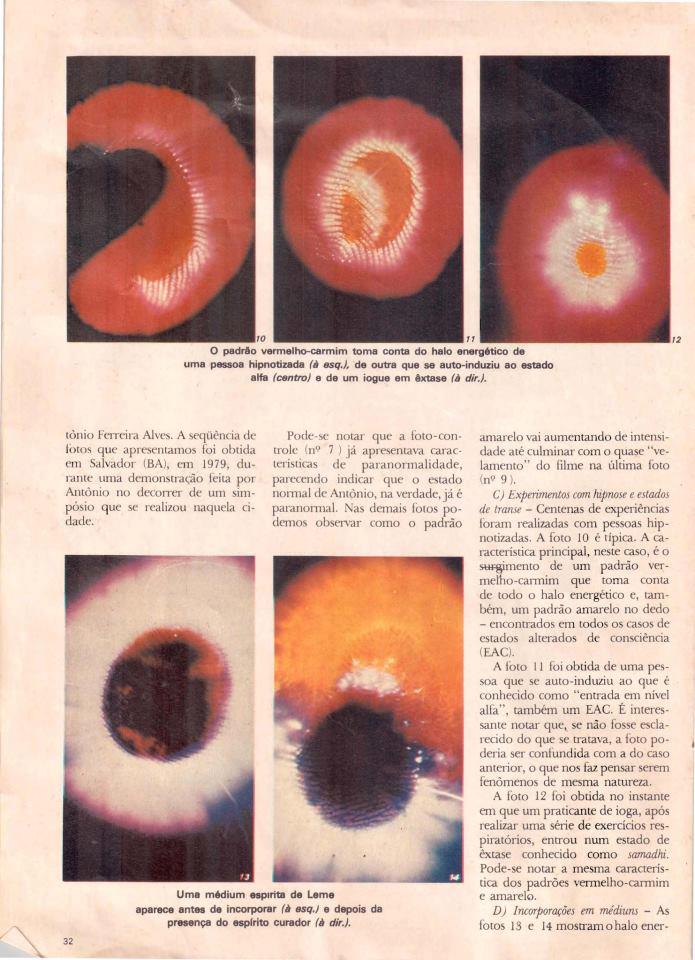
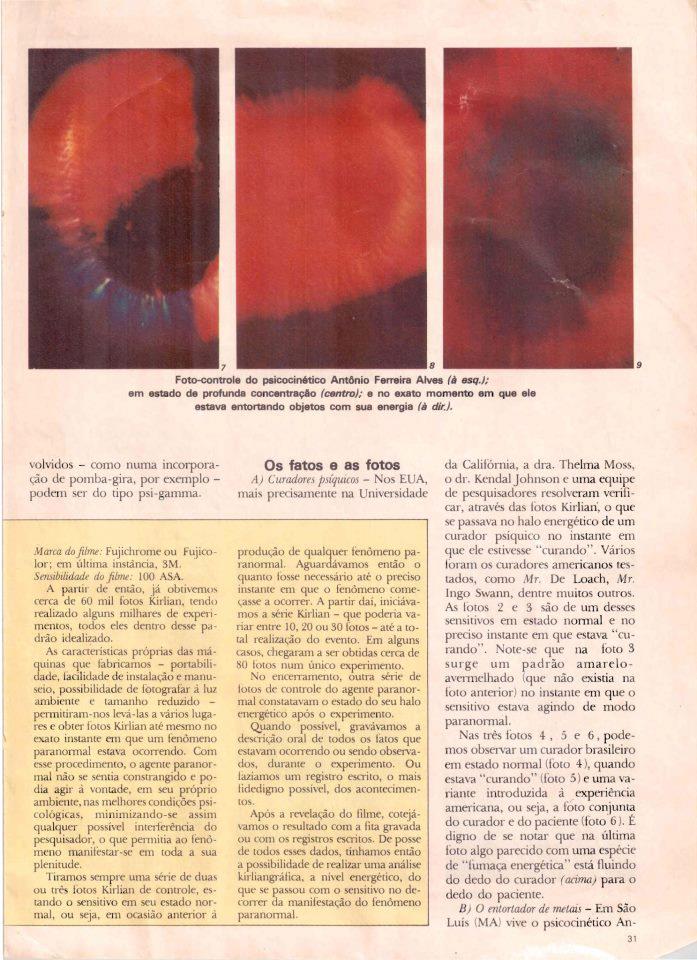
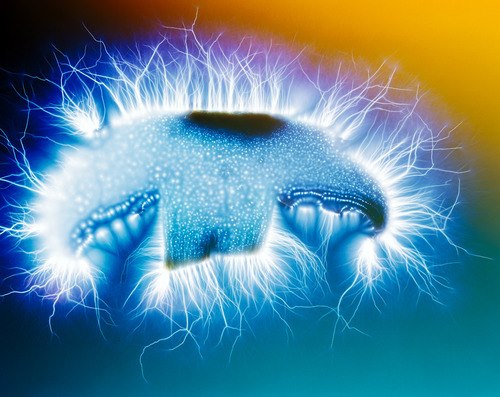
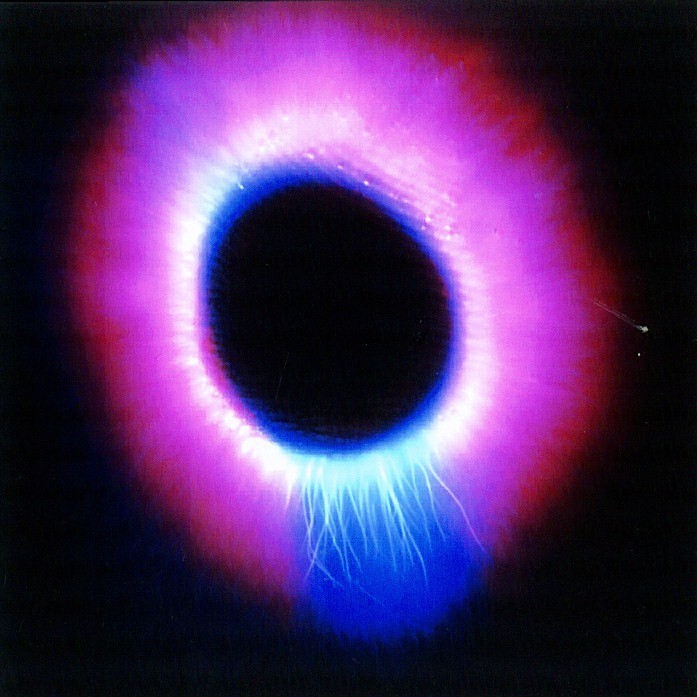
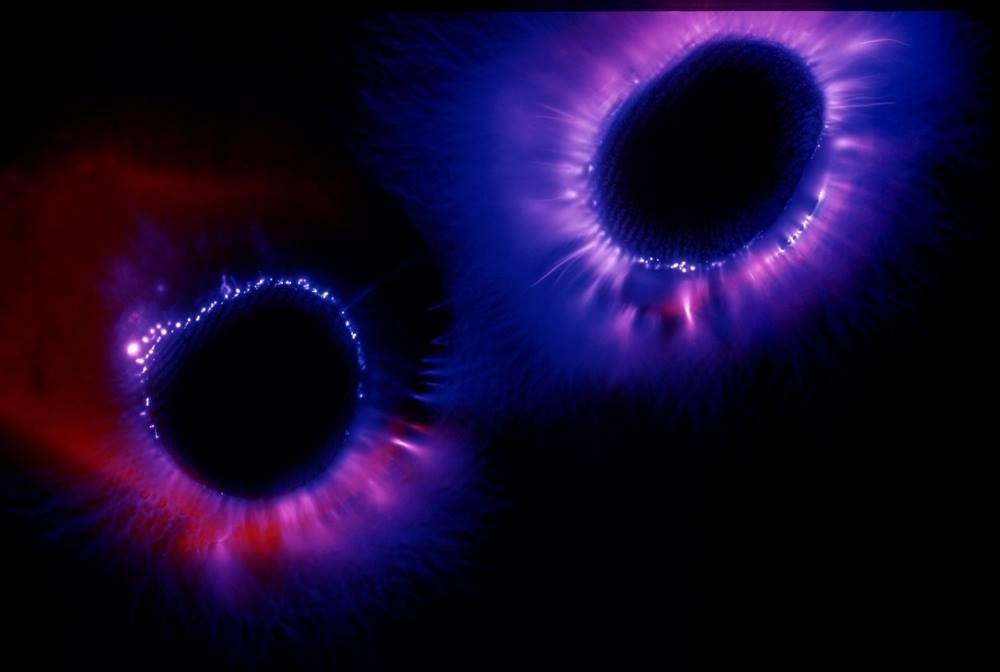
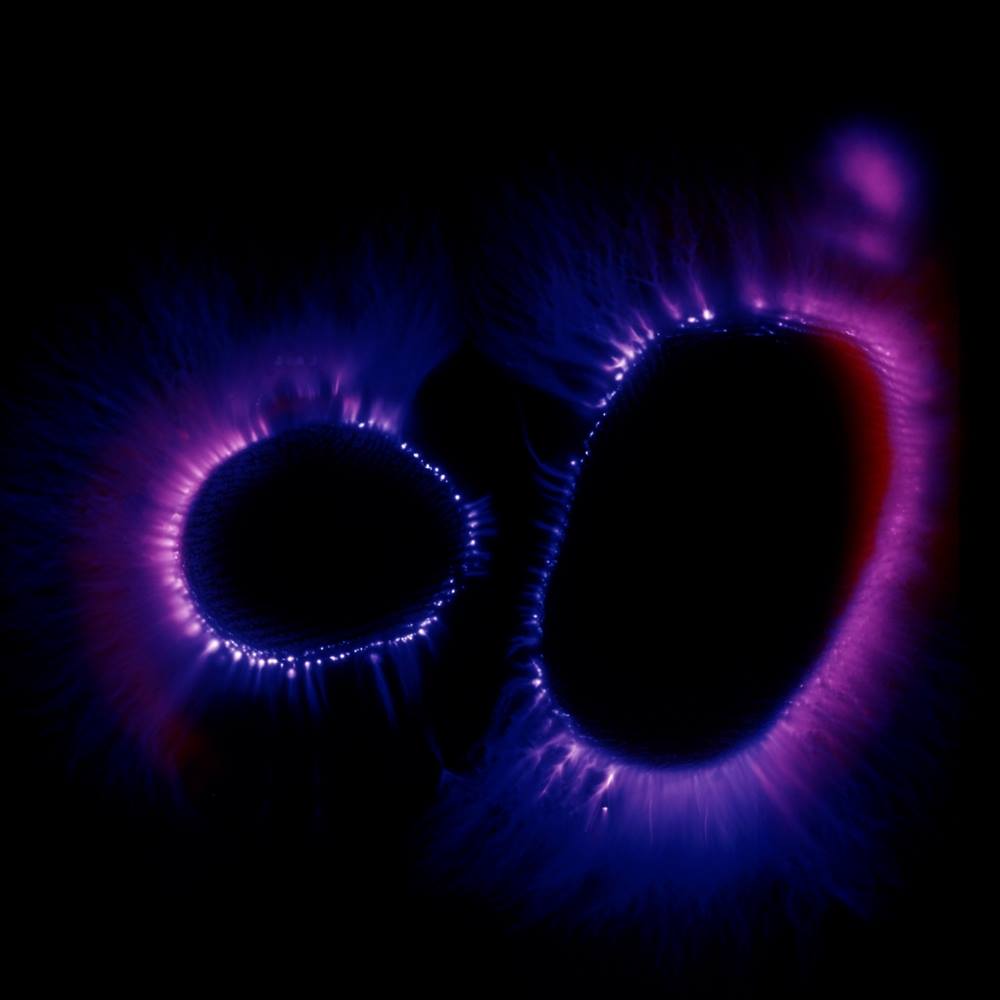
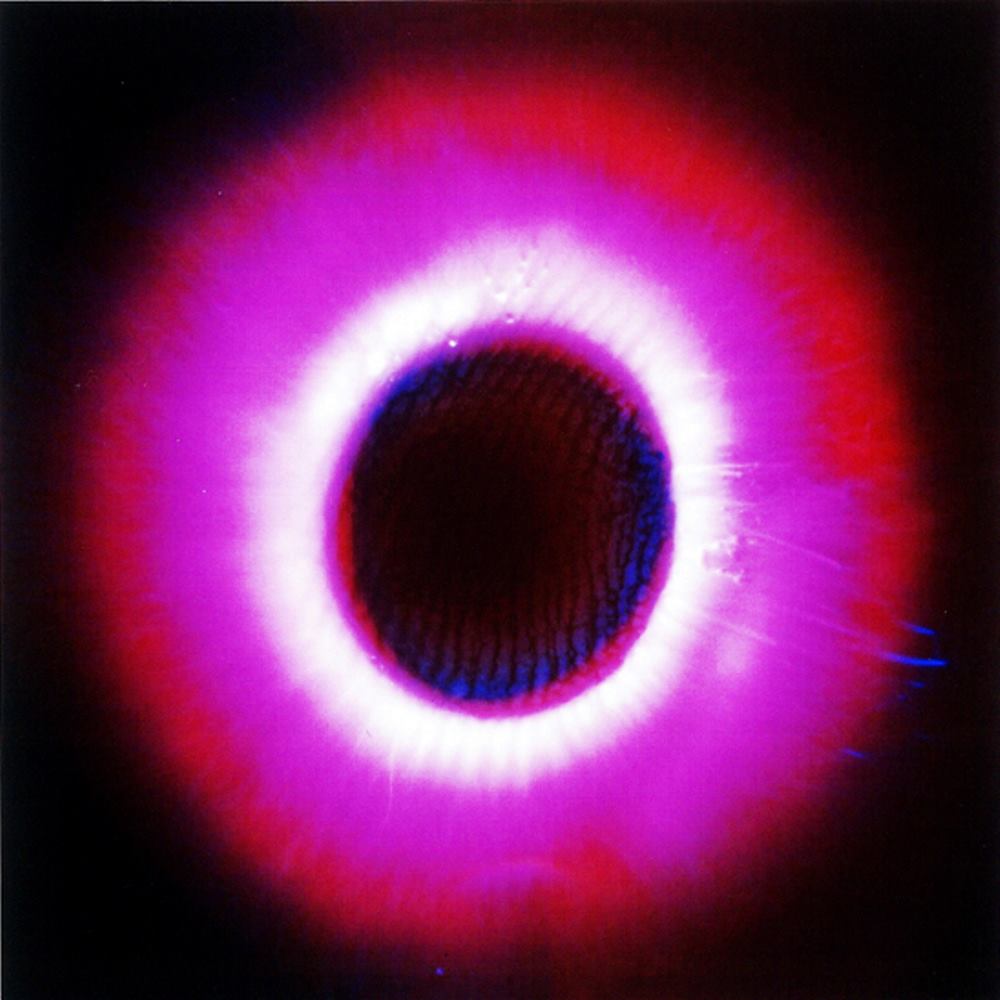
more photos on IUMAB Facebook
A slightly longer video presentation explaining more about Kirlian Photography, a precursor to Aura Photography.
Kirlian Photography is a collection of photographic techniques used to capture the phenomenon of electrical coronal discharges. It is named after Semyon Kirlian, who, in 1939 accidentally discovered that if an object on a photographic plate is connected to a high-voltage source, an image is produced on the photographic plate. The technique has been variously known as “electrography”, “electrophotography”, “corona discharge photography”, “bioelectrography”, “gas discharge visualization (GDV)”, “eletrophotonic imaging (EPI)”, and “Kirlianography“.
Kirlian Photography Research and History
on IUMAB website
Welcome!
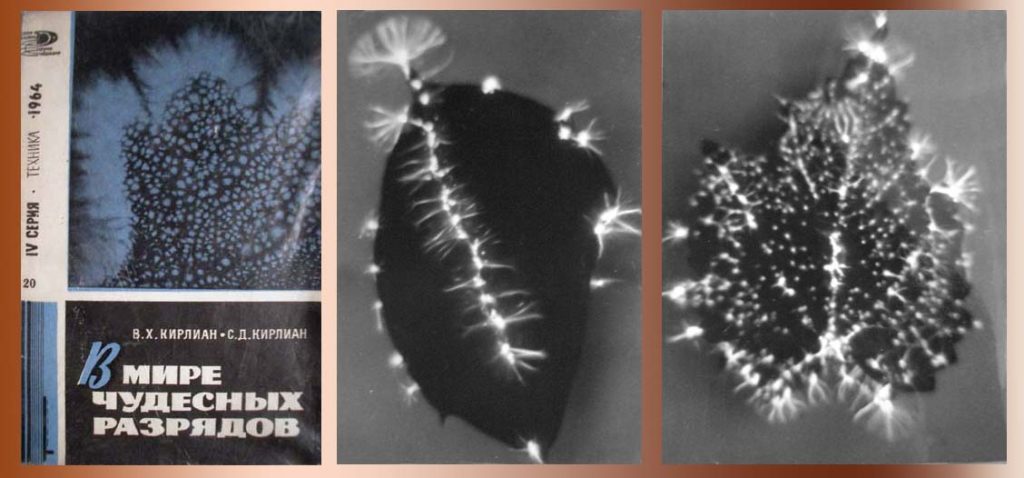
Kirlian Photography Research and History
on IUMAB website
Welcome!
Introduction to Kirlian Photography
Kirlian photography is a technique that captures electrical coronal discharges around objects using high-voltage electricity, resulting in images that show a glowing “aura” or halo effect. It is a contact print process that does not require a traditional camera or lens, and it has been used in scientific research, art, alternative medicine, and parapsychology. While some proponents claim it reveals bioenergetic fields or life forces, the scientific community largely attributes the effects to natural physical phenomena like moisture, conductivity, and electrical ionization, rejecting paranormal interpretations as pseudoscience.
Early Precursors (Late 19th to Early 20th Century)
The roots of Kirlian photography trace back to experiments with electricity and photography in the late 1700s and 1800s, long before its formal naming. In the late 1700s, German physicist Georg Christoph Lichtenberg observed patterns in dust created by static electricity and electric sparks, known as Lichtenberg figures. By 1880, inventor Nikola Tesla photographed corona discharges using his Tesla coil, demonstrating early high-voltage electrical imaging. The term “electrography” was coined in 1889 by Czech researcher Bartoloměj Navrátil. In 1896, French experimenter Hippolyte Baraduc created electrographs of hands and leaves. In 1898, Polish-Belarusian engineer Jakub Jodko-Narkiewicz demonstrated electrography at the fifth exhibition of the Russian Technical Society. In the early 1900s, Russian researcher Yakov Narkevich-Todka (also known as Narkevich-Yodko) exhibited electro-photographs. Later, Dr. F.F. Strong of Tufts University Medical School used a Tesla coil to create electro-photographs of his hand. These early works laid the groundwork for capturing electrical discharges on photographic media.
Discovery and Development by the Kirlians (1930s–1950s)
The modern technique is named after Soviet electrician Semyon Davidovich Kirlian (1900–1980) and his wife Valentina, who are credited with its accidental discovery in 1939. While visiting Krasnodar Hospital, they observed a patient undergoing high-frequency electrical generator treatment, noticing a glow resembling a neon discharge around the skin. Inspired, they experimented by placing objects like leaves, coins, or hands on photographic plates connected to a high-voltage source, capturing silhouettes surrounded by luminous auras. That same year, Czech researchers S. Pratt and J. Schlemmer published similar photographs of glows around leaves.
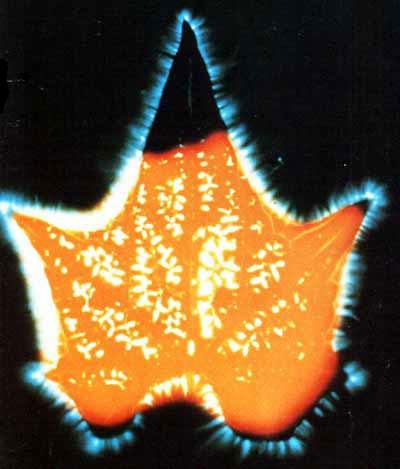
The Kirlians patented their method in 1949 (Patent No. 106401 USSR) for producing photographic images of various objects. They collaborated for over 30 years, refining equipment and studying the process. Influenced by their supernatural beliefs, they claimed the images revealed life forces or auras, including a famous “torn leaf” experiment where a damaged leaf allegedly showed an intact aura. They publicly reported their findings in 1958 and published their first article in 1961 in the Russian Journal of Scientific and Applied Photography. The technique gained niche attention in the Soviet Union during the 1940s and 1950s.
Popularization and Research in the West (1960s–1970s)
The Kirlians‘ work remained largely unknown outside the Eastern Bloc until 1970, when American authors Lynn Schroeder and Sheila Ostrander published Psychic Discoveries Behind the Iron Curtain, introducing it to Western audiences and popularizing the term “Kirlian photography“. This coincided with the 1970s New Age movement in the U.S., where interest in psychedelics, paranormal phenomena, and alternative healing boosted its popularity.
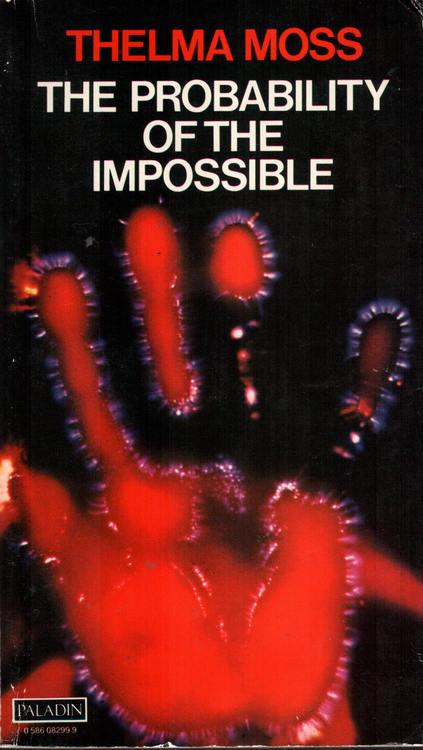
In the Soviet Union, a 1972 conference at Kazakh State University discussed the topic, and scientist Victor Adamenko wrote a 1975 dissertation on the structure of high-frequency electric discharge images. Victor Inyushin at Kazakh State University conducted studies, publishing in 1968 on the “biological essence” of the Kirlian effect. In the U.S., Thelma Moss (The Body Electric: A Personal Journey into the Mysteries of Parapsychological Research, Bioenergy and Kirlian Photography and The Probability of the Impossible) and Kendall Johnson at UCLA’s Neuropsychiatric Institute researched it extensively in the early 1970s, though their parapsychology lab was shut down in 1979. In 1975, Polish scientist Piotr K. Wrona applied the principle to forensics in dactyloscopy.
Scientific Explanations
From the 1970s onward, scientific scrutiny revealed that Kirlian images result from corona discharges—a natural electrical ionization process influenced by factors like voltage, humidity, pressure, conductivity, and moisture content. A 1973 paper by Boyers and Tiller in the Journal of Applied Physics explained the mechanism through chemical and streaming processes in electric fields. A 1976 study in Science linked variations in human fingertip images to moisture. The “torn leaf” effect was debunked by researchers at Drexel University, who showed it resulted from residual moisture and contaminants, not persistent auras. Studies in 1981, 1986, 1988, 1989, and 1999 (e.g., in Skeptical Inquirer and The Scientific Review of Alternative Medicine) found no evidence for paranormal claims, attributing results to physical parameters. Physiologist Gordon Stein labeled it a hoax in his 1993 Encyclopedia of Hoaxes. Despite this, proponents like Beverly Rubik have explored biofields, though with acknowledged limitations like small sample sizes. See also Kirlian Photography Publications and Professor Newton Milhomens books on IUMAB website.
The Kirlian Photography technique has influenced art and media, appearing in albums by George Harrison (1973) and David Bowie (David Bowie and Kirlian Photography) (1997), science fiction novels, films like The Kirlian Force (1975), and TV shows like The X-Files. Artists such as Robert Buelteman and Ted Hiebert continue using it for visual effects.
Kirlian Photography Research and History
The History of Bioelectrography
– Kirlian Photography
– Kirlian cameras
– Kirlian Effect
– Kirlian Photography human body
– Kirlian Photography devices
– Kirlian Photography Research
– Kirlian Photography images
– Kirlian Photography soul leaving body
Monopulse Plasmagraphy Gallery
See more about Monopulse Plasmagraphy:
Registration of ethereal formation
MONOPULSE PLASMAGRAPHY: NEW TRENDS IN BIOENERGETIC RESEARCH OF MAN. Vadim Bondarev 1. Registration of ethereal formation and anomalous emergences “Let’s begin from simple fact: man always realizes that he isn’t lonely. Stories about contacts with other form of life and higher sense outside of “real world” are thoroughly stored in legends of all nations of the Earth.
Registration of energetic flows
Registration of energetic flows of fingers of man’s hand Vadim Bondarev «However if there is something in the world that is better, than to pass away in spirit of past centuries and to conclude from their works that we are very ahead?» /Goethe, «Faust»/ Old oriental philosophy has conception about uni-bearing motive force
Three experiments
Three experiments (For the question of energy-information influences and interactions) Vadim Bondarev “Madmen don’t understand whole terrible danger, which they are exposed, when permit astral substances to penetrate in their aura!” /Helena.I.Rerikh./ «Let’s be more daring. This theme puts many exciting and fundamental questions.
How it may be use for Vastu purposes